







Here we’ll look at what really happens inside the mind during change. We will explore natural human reactions, the idea of perceived loss, the emotional triggers that appear, and the cognitive biases that distort our judgment during transitions. We’ll also discuss why resistance is not a flaw but a predictable psychological response. By understanding this, you’ll see change through a new lens—one that gives you more clarity and control.

Before the session, I’d like you to take a few minutes to complete a short questionnaire. It’s not a test and there are no right or wrong answers. The goal is to give me a better sense of your experience with change, so I can adapt the session to what you’re actually dealing with. It also helps you start thinking about the topic before we meet, which makes the session more concrete and easier to apply.
Start the short reflection!
1. Mental warm-up activity.
2. Introduction and guided reflection.
3. The psychology of change.
4. Emotional management in transitions.
5. A personal framework for personal change.
6. Closing and commitment.
Presentation.
This presentation will serve as a guide throughout the course. The slides contain the key concepts we'll explore, and in the notes section for each slide, you'll find additional explanations and detailed content. These notes will allow you to delve deeper into the topics and follow the course more clearly. They can also serve as reference material after the course to review what you've learned.
Download presentation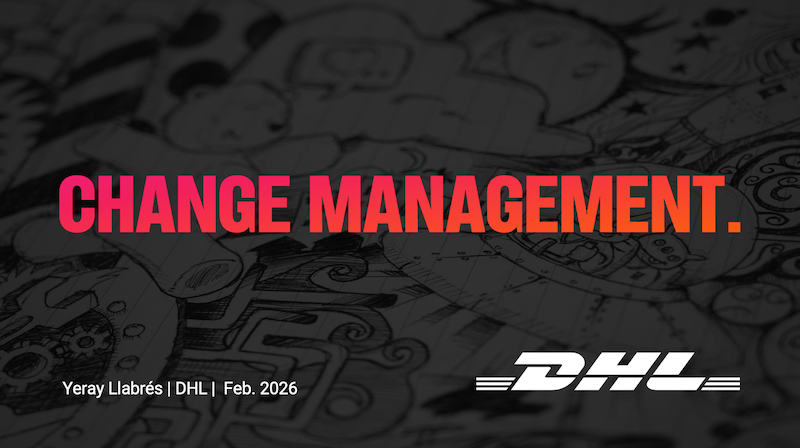

Mini-session
Choose a day and time that suits you best for an online session.
You can book an online session with me.
Remember that if you want, you can book an online session with me, before or after the training, for anything you might need.
[email protected]
Course feedback.
I would appreciate your feedback on the course. I like to have this information so I know how the course went and can continually improve my training. It would be nice of you to take part ;-)
Thanks!

Thinking fast and Slow.
A book written by Daniel Kahneman, a psychologist and Nobel Prize winner in Economics. In this work, Kahneman explores the two systems that govern our thinking: System 1, which is fast, automatic, and intuitive, and System 2, which is slower, deliberate, and analytical. Through research and practical examples, the author demonstrates how these systems interact, influencing our decisions, judgments, and behaviors, often in unexpected ways. Kahneman also analyzes the cognitive biases and mental traps that affect our perception and reasoning ability. Thinking, Fast and Slow is considered a seminal work that not only explains how the human mind works but also offers tools to improve our decision-making in daily life.
Amazon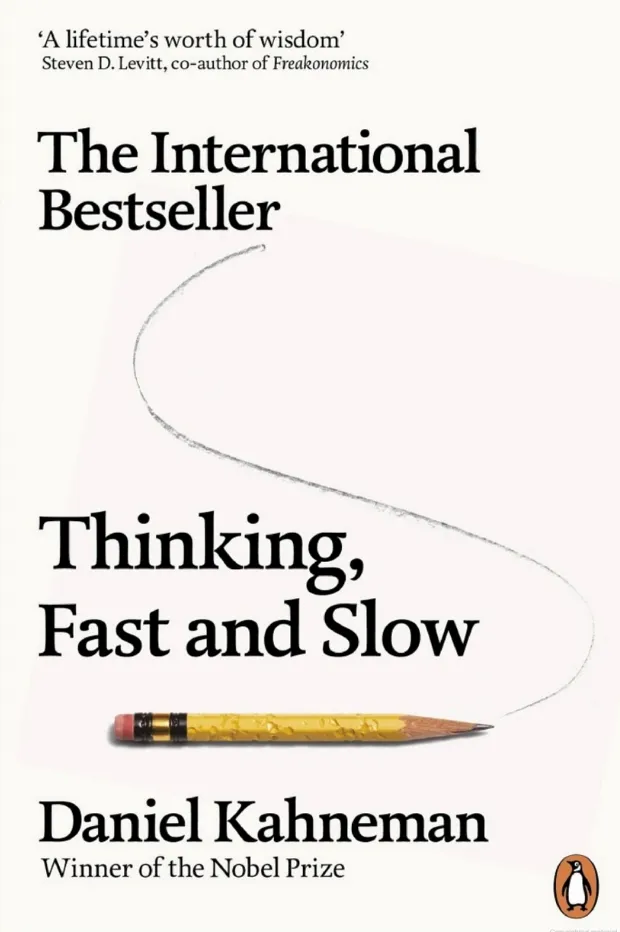
Switch: How to Change Things When Change Is Hard.
“Switch: How to Change Things When Change Is Hard” is a book by Chip and Dan Heath that explores why change is difficult and how individuals and organizations can overcome psychological and emotional barriers to transformation. Drawing on research in psychology, neuroscience, and behavioral science, the authors introduce the metaphor of the “Rider,” the “Elephant,” and the “Path” to explain how logic, emotion, and environment must align for change to occur. Through real-life cases, practical insights, and compelling storytelling, Switch reveals how small adjustments in mindset, motivation, and context can unlock significant and lasting change. It is a thoughtful and accessible guide on how to influence behavior and navigate transitions in a world where adaptation is essential.
Amazon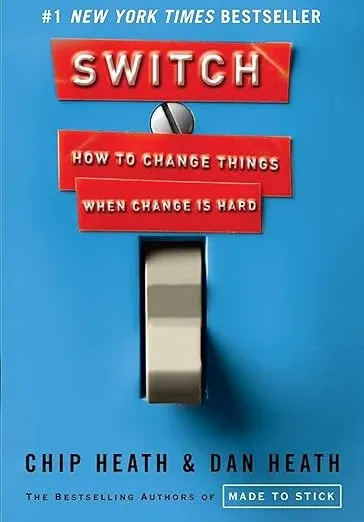

Drive.
Rather than focusing on rewards and punishments, Drive explores what truly motivates people in work and life. Daniel Pink argues that once basic needs are met, performance and satisfaction depend mainly on three elements: autonomy, mastery, and purpose. Through research from psychology and behavioral science, the book shows how traditional incentive systems often undermine motivation, especially in creative or complex tasks. Pink proposes a new way of thinking about motivation, one that emphasizes giving people control over their work, opportunities to improve, and a sense that what they do matters. This approach, he suggests, leads to deeper engagement, better results, and more sustainable performance.
Amazon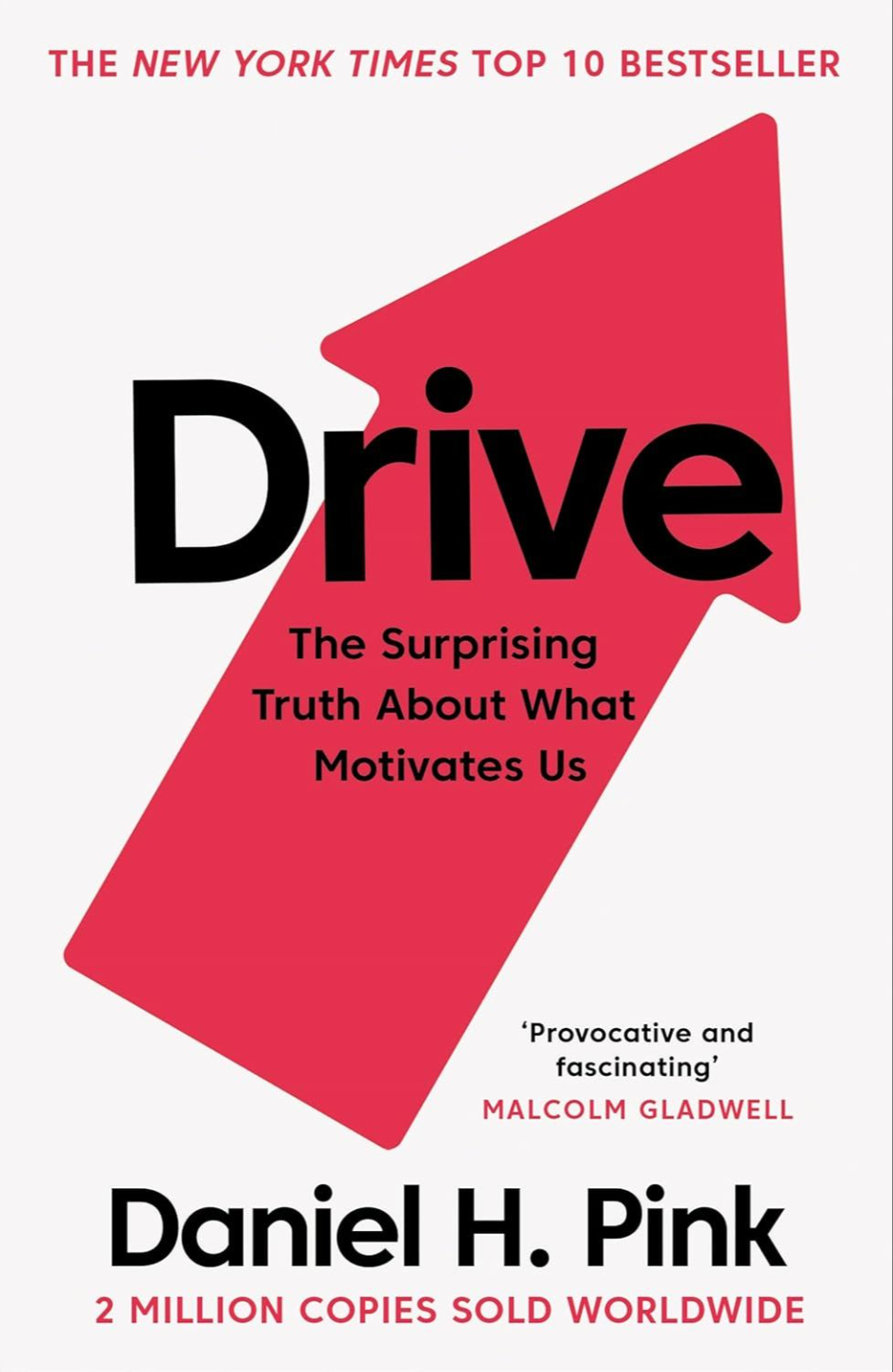
Positive Psychology in a Nutshell.
This book offers a concise and accessible guide to the key concepts and practical applications of positive psychology. It explores topics like well-being, strengths, resilience, optimism, and happiness, offering readers a science-based approach to enhancing their personal and professional lives. Clear and engaging, the book serves as an excellent introduction for anyone interested in understanding how to live a more fulfilling and meaningful life.
pdf.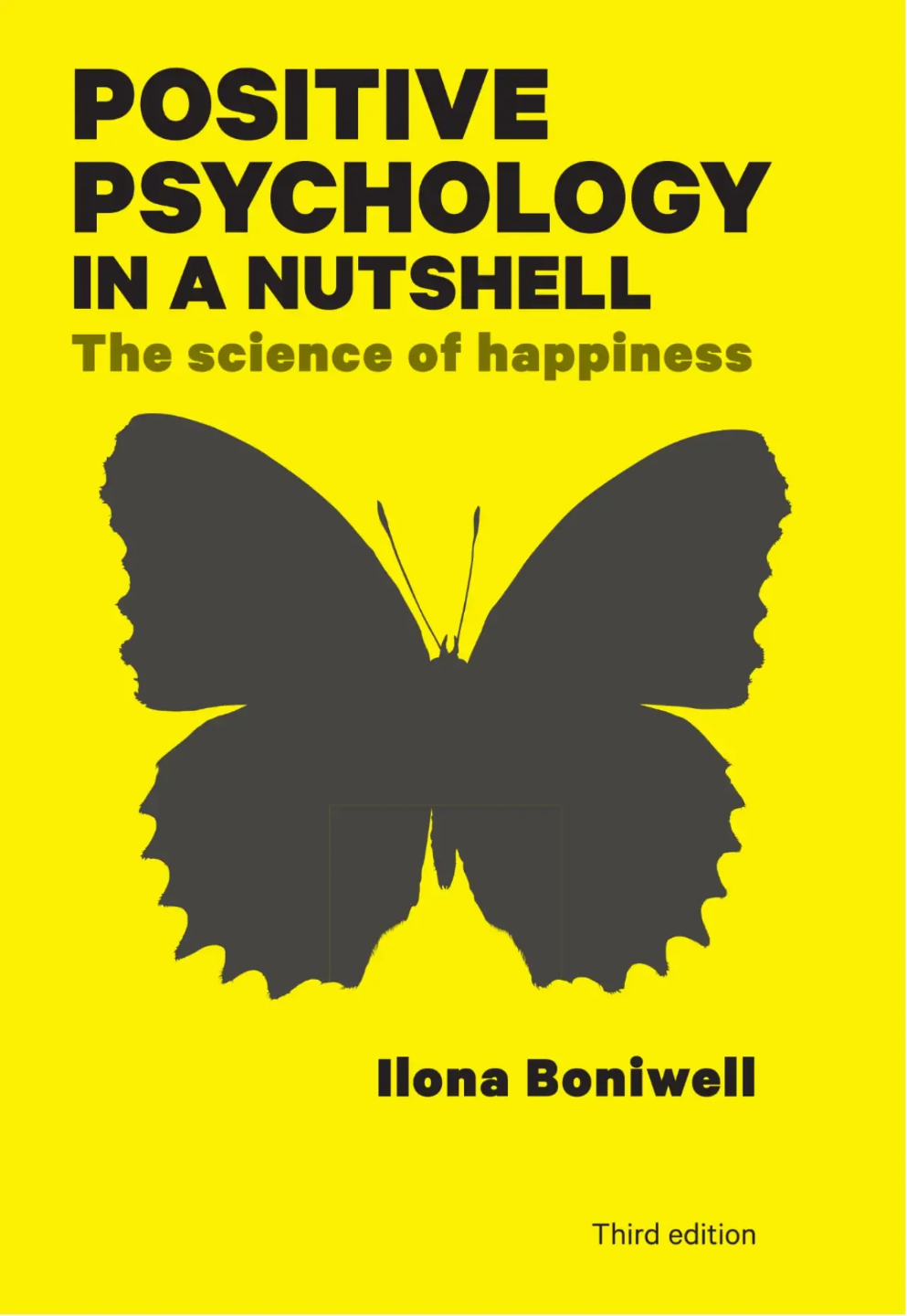
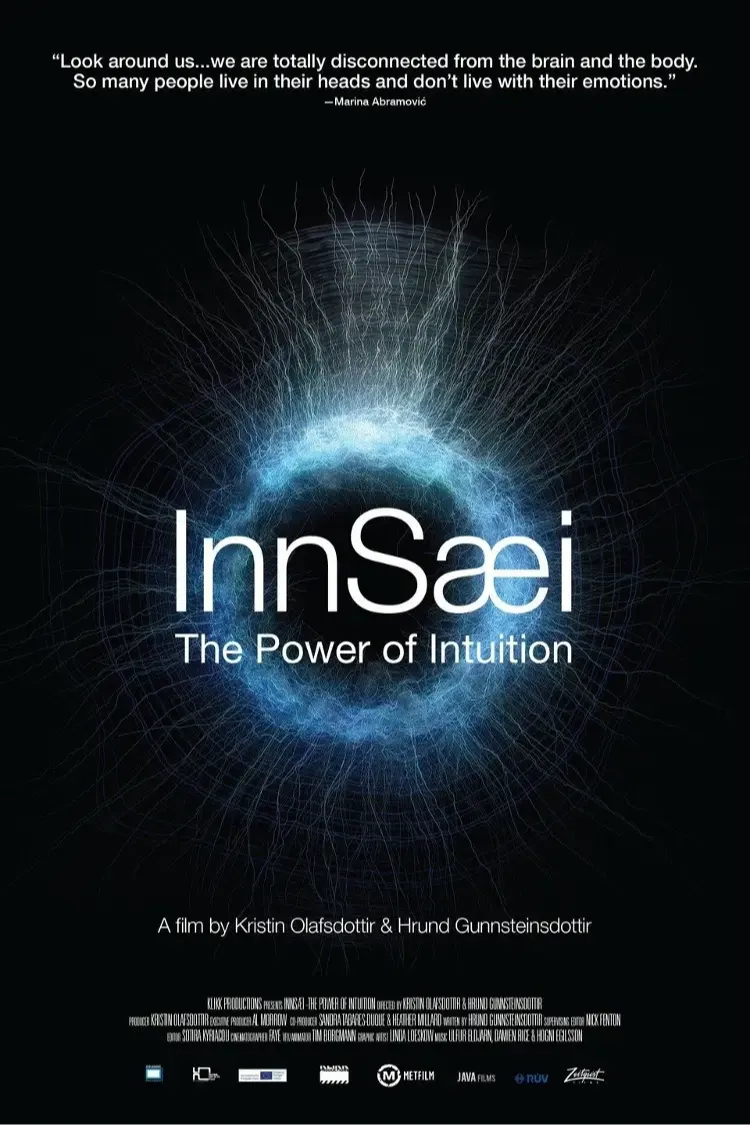
Insaei (documentary).
This is an Icelandic documentary directed by Hrund Gunnsteinsdottir and Kristín Ólafsdóttir that explores the Icelandic concept of "innsæi," which translates as "intuition" or "seeing within." The documentary investigates how intuition and empathy can influence our personal and professional lives, and how disconnection from these aspects can negatively impact our society. Through interviews with scientists, artists, and thought leaders, "InnSæi" shows how to recover and value intuition in a world dominated by logic and technology. It is a profound reflection on the importance of inner connection and awareness in our daily lives.
Watch online