


COURSE: TIME & STRESS MANAGEMENT.

This course looks at time, attention and stress through psychology: why deadlines distort judgment, why interruptions cost more than the minutes they take, and why procrastination is rarely about laziness.
From there, practical prioritization — what to do first when everything feels urgent, and how to renegotiate a deadline without damaging the relationship behind it.
Stress gets the same treatment: not a vague feeling to manage away, but a specific response with a specific trigger, one that can be identified and changed.
CONTENTS WE COVERED.
-
The brain resists change even when change is clearly better. This module opens with why: the pull of habit, the discomfort of criticism, what actually drives motivation, and how far outside the comfort zone is useful to go. It sets the psychological ground the rest of the course builds on.
-
Time doesn't pass the same way for everyone, or even for the same person twice. Here we look at how the brain constructs the experience of time, and the specific biases — planning fallacy, anchoring, the urgency effect — that quietly distort how we estimate and use it.
-
An interruption costs more than the seconds it takes. This module breaks down why focus is so fragile, what procrastination is actually protecting us from, and which of the popular fixes (Pomodoro included) hold up and which don't.
-
An interruption costs more than the seconds it takes. This module breaks down why focus is so fragile, what procrastination is actually protecting us from, and which of the popular fixes (Pomodoro included) hold up and which don't.
-
Stress isn't the situation — it's the judgment made about the situation, and that reframe changes what can be done about it. This module covers the biology of the stress response, the conditions that turn ordinary pressure into chronic strain, and the specific pattern behind burnout.
-
Emotions aren't reactions that happen to us; they're actively built, and that means they can be worked with. This module covers what emotional intelligence actually is, how to read and regulate emotional states, and practical techniques — from breathing to cognitive restructuring — that hold up outside the classroom.
-
Managing a day well means nothing if it drains the next one. This module looks at what genuinely restores energy — psychological detachment, sleep, movement, boundaries after hours — as distinct from what only feels restful.
-
None of this matters without a plan that survives a Monday morning. The course closes with participants identifying their own time thieves, stressors, and recovery deficits, and building one concrete, if-then commitment they can act on immediately.
COURSE PRESENTATION.
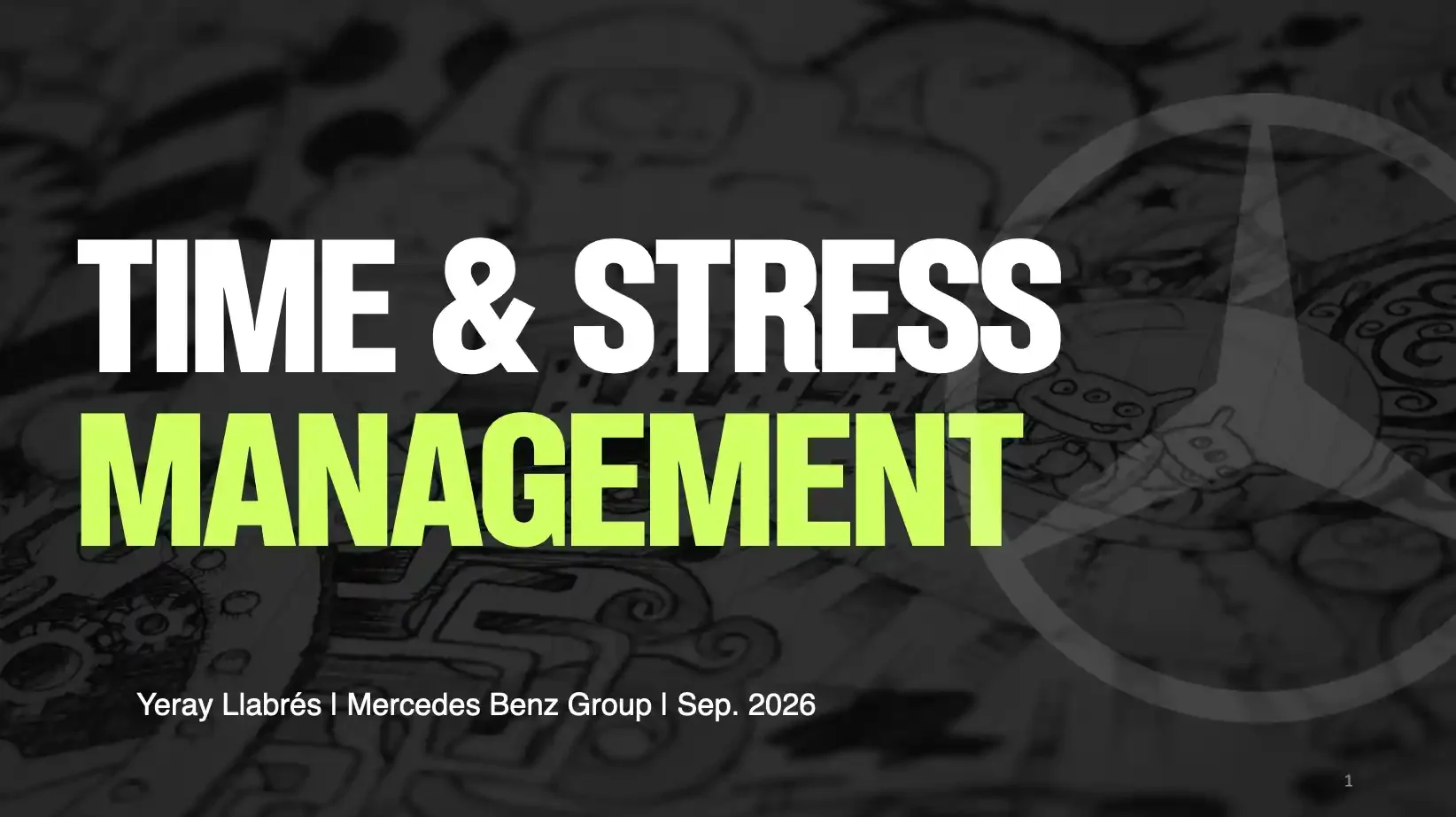
All the content from the sessions is available here — the full presentation with notes for each slide. Use it as a reference when revisiting a concept about time or stress management, reflecting on your own habits, or exploring practical ways to improve your focus, wellbeing and daily effectiveness.
ONLINE SESION WITH ME.
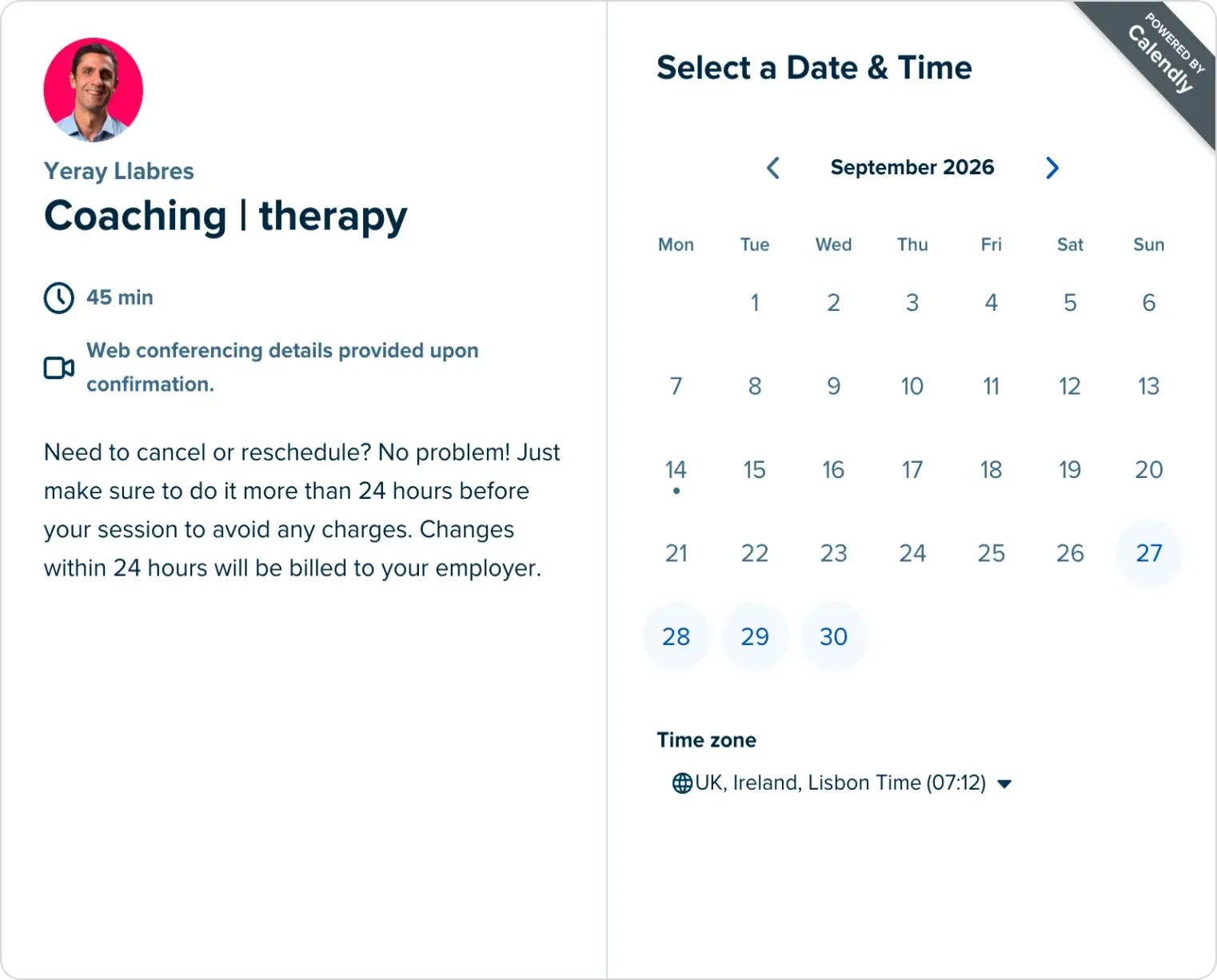
These sessions are an optional space to continue the work from the course. If you want to go deeper on a specific concept, think through a real situation you are facing, or need support putting something into practice, this is where that happens. The goal is to help you bring what you learned into your actual work — with more clarity, more confidence, and a clearer sense of how to apply it.
SOME RECOMENDATIONS.
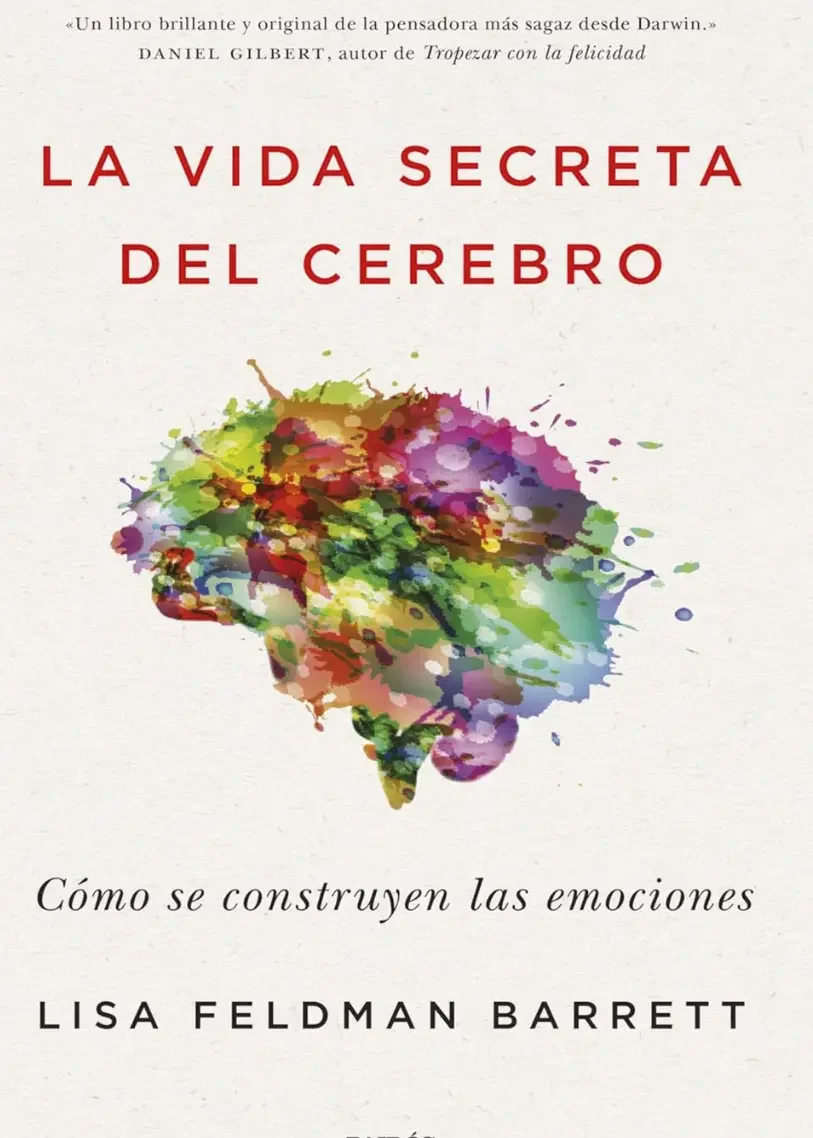
Barrett is one of the most important neuroscientists working today, and her central argument overturns a widely held assumption: emotions are not hardwired reactions that happen to us. They are constructed by the brain — predictions generated from past experience, current context, and the concepts available to make sense of what we are feeling. For this course, her work is particularly relevant in understanding why anxiety about presenting is not fixed or inevitable. As the concepts you have about presenting change, the emotional experience the brain constructs around presenting changes with it.
The Secret Life of the Brain — Lisa Feldman Barrett.
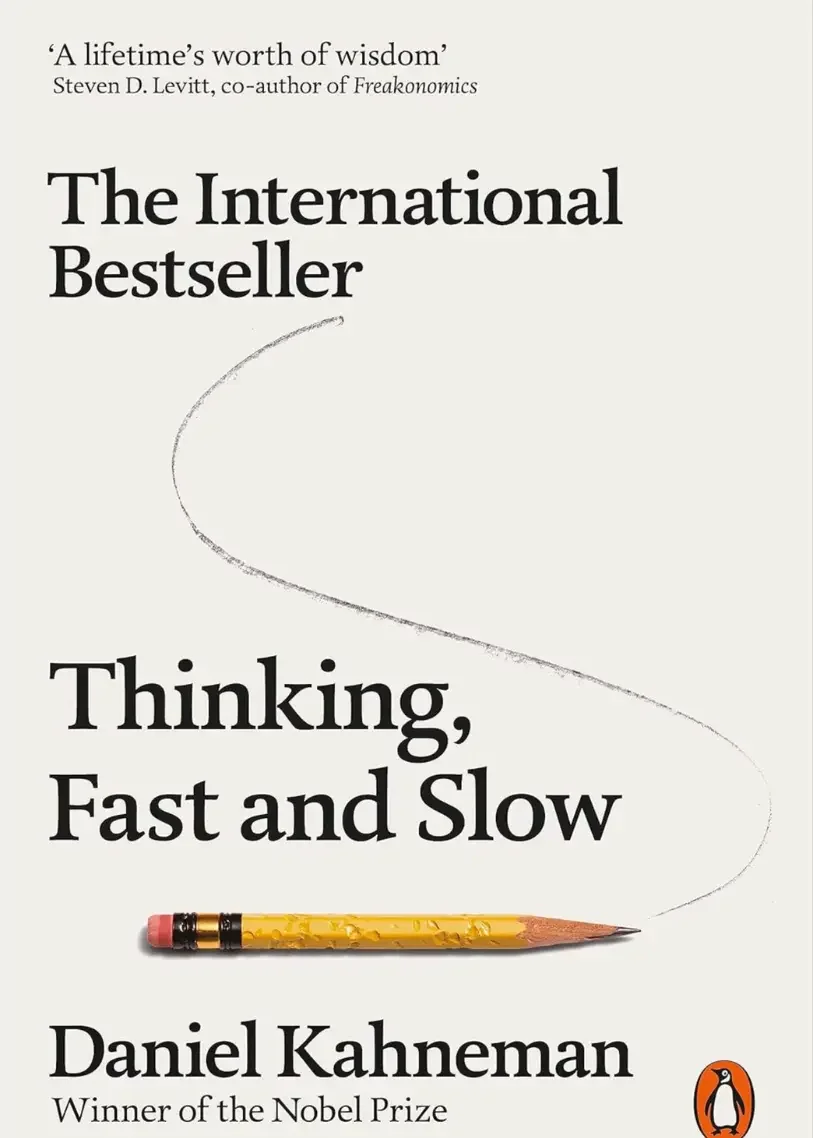
Kahneman spent decades studying how human beings actually make decisions — and his conclusion is that we are far less rational than we believe. The brain operates through two systems: a fast, automatic, intuitive system that makes rapid judgments based on pattern and feeling, and a slow, deliberate, analytical system that requires effort and attention. Most professional presentations are designed entirely for the slow system — logical, sequential, evidence-based. But it is the fast system that decides whether to pay attention, whether to trust the presenter, and whether to act on what was said. Understanding both systems is essential for anyone who wants their message to actually land.
Thinking Fast and Slow — Daniel Kahneman.
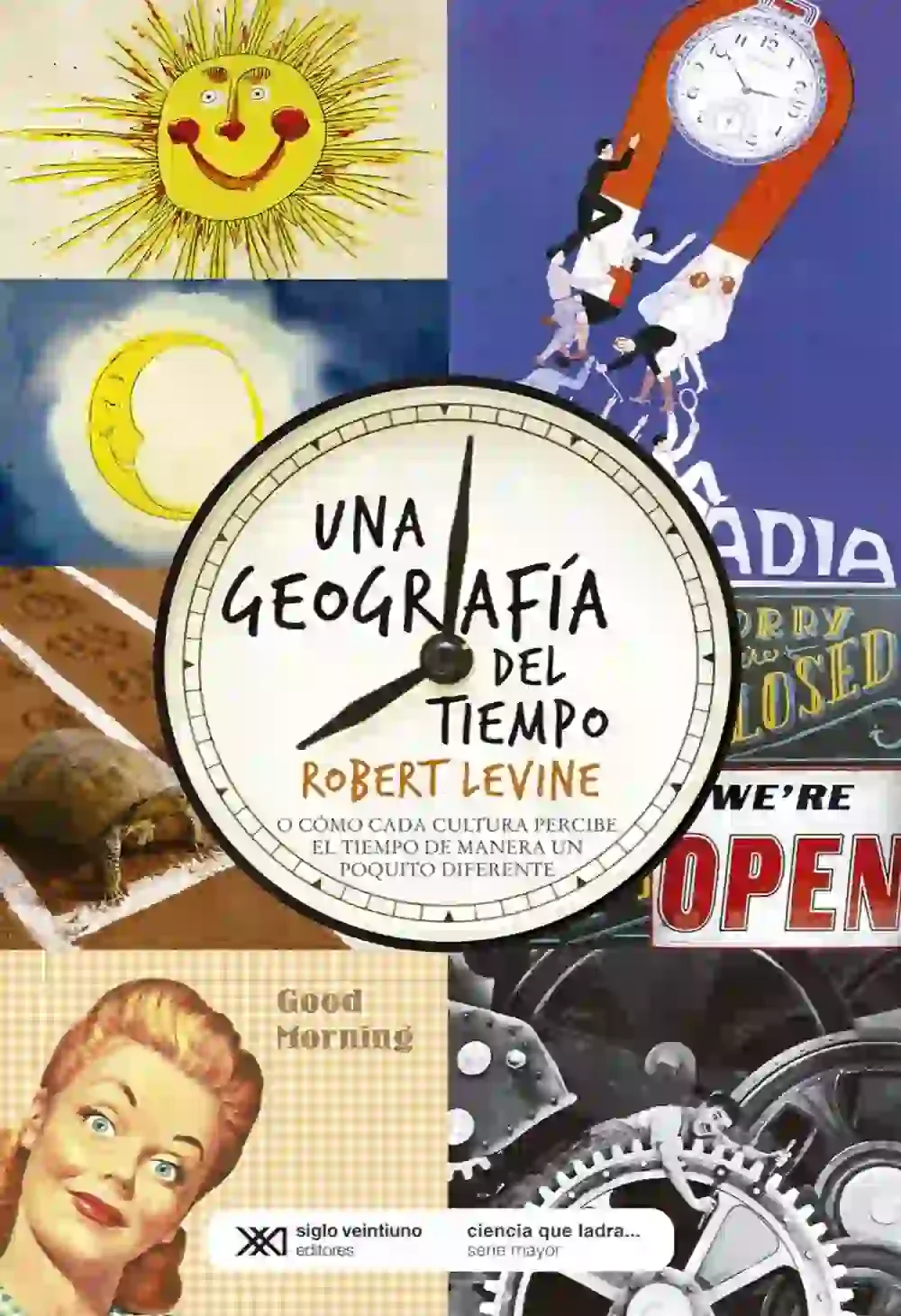
How fast does a city move? Levine, a social psychologist, went out and measured it — walking speed on downtown streets, the accuracy of public clocks, how long a postal clerk took to complete a simple transaction — across thirty-one countries. What he found is that pace of life varies enormously, and that cultures differ in something more basic: whether they run on clock time, where the schedule decides when things happen, or event time, where activities finish when they feel finished. Neither is the correct one. The book is a useful reminder that much of what feels like an absolute rule about time is a local convention, and it underpins this course's look at how much of our urgency is learned rather than given.
A Geography of Time - Robert Levine.
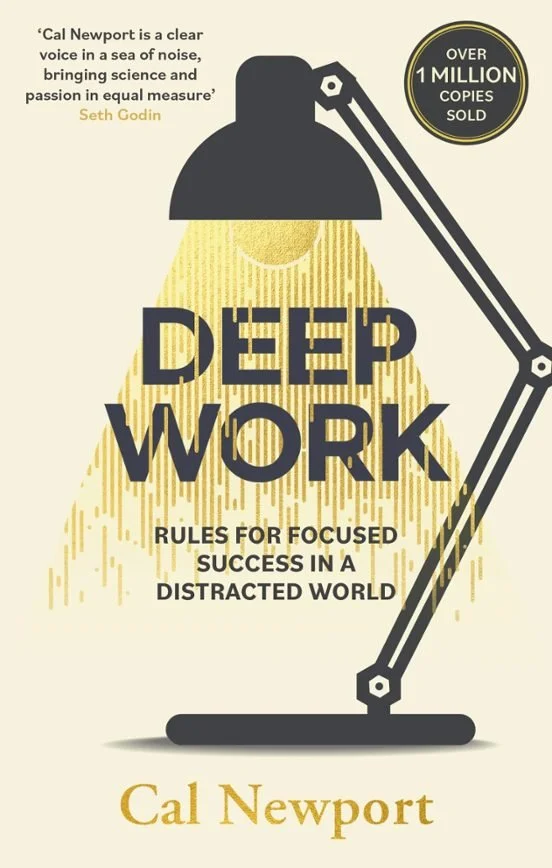
Newport spent years studying why focused, undistracted work has become both increasingly rare and increasingly valuable, even as most workplaces make it harder to achieve. His answer is a clear distinction between deep work — cognitively demanding, distraction-free effort that produces real value — and shallow work, the reactive, fragmented tasks that fill most people's days without moving anything forward. The book lays out concrete rules for protecting time and attention for deep work in an environment built to constantly interrupt it. A practical, well-argued case for anyone whose best work keeps getting crowded out by everything else.
Deep Work - Cal Newport.
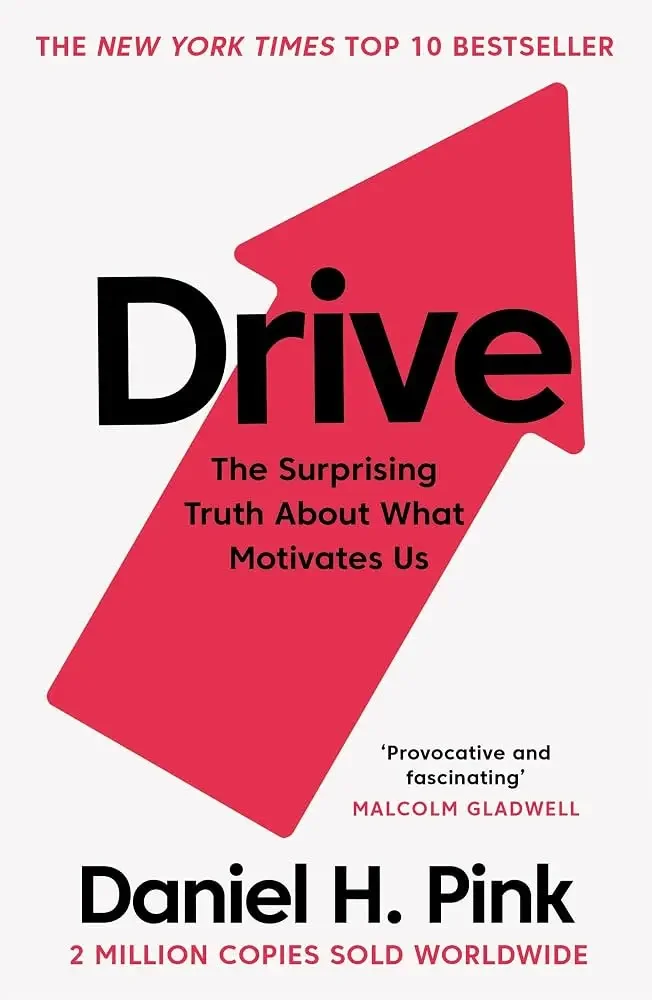
Pink challenges one of the most persistent assumptions in workplace psychology: that the right combination of rewards and punishments is what drives performance. Drawing on decades of behavioral science, he argues that beyond a baseline level of fair pay, external incentives actually undermine the kind of motivation that produces real engagement and creative work. His answer is three ingredients that reliably drive genuine motivation: autonomy, the desire to direct our own lives; mastery, the urge to get better at something that matters; and purpose, the sense that our work serves something larger than ourselves. A foundational read for anyone who needs an audience to act, not just comply.
Drive - Daniel H. Pink.
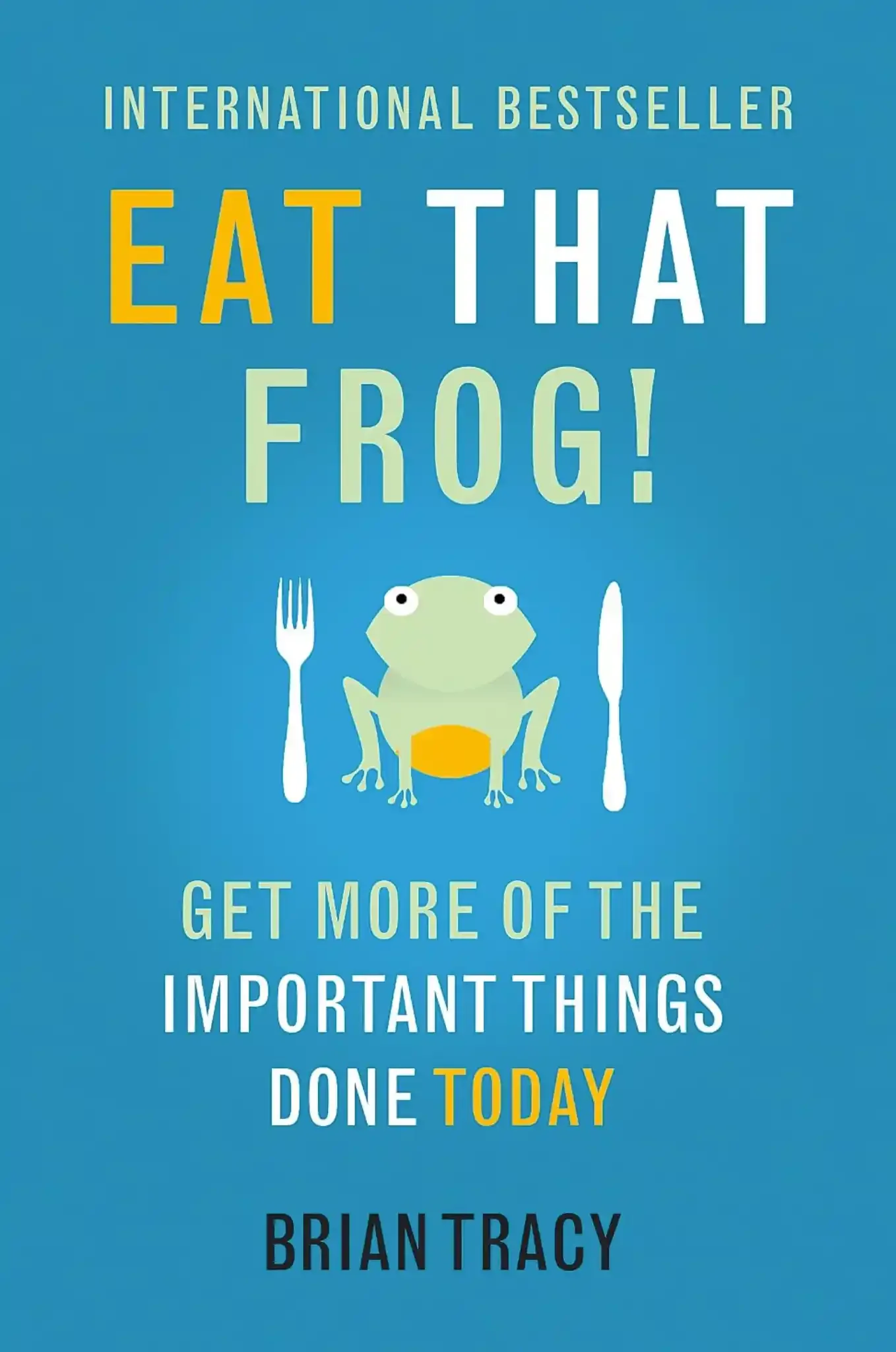
Most time management systems assume the problem is organization. Tracy disagrees — the problem is starting, and no amount of organizing changes that. His metaphor comes from Mark Twain: eat a live frog first thing in the morning and nothing worse will happen to you the rest of the day, meaning tackle the hardest, highest-impact task before anything else can get in the way. The book skips theory almost entirely in favor of twenty-one short, direct tactics, each built around the same principle — clarity about what matters most, followed immediately by action, beats any amount of planning around it.
Eat That Frog - Brian Tracy.
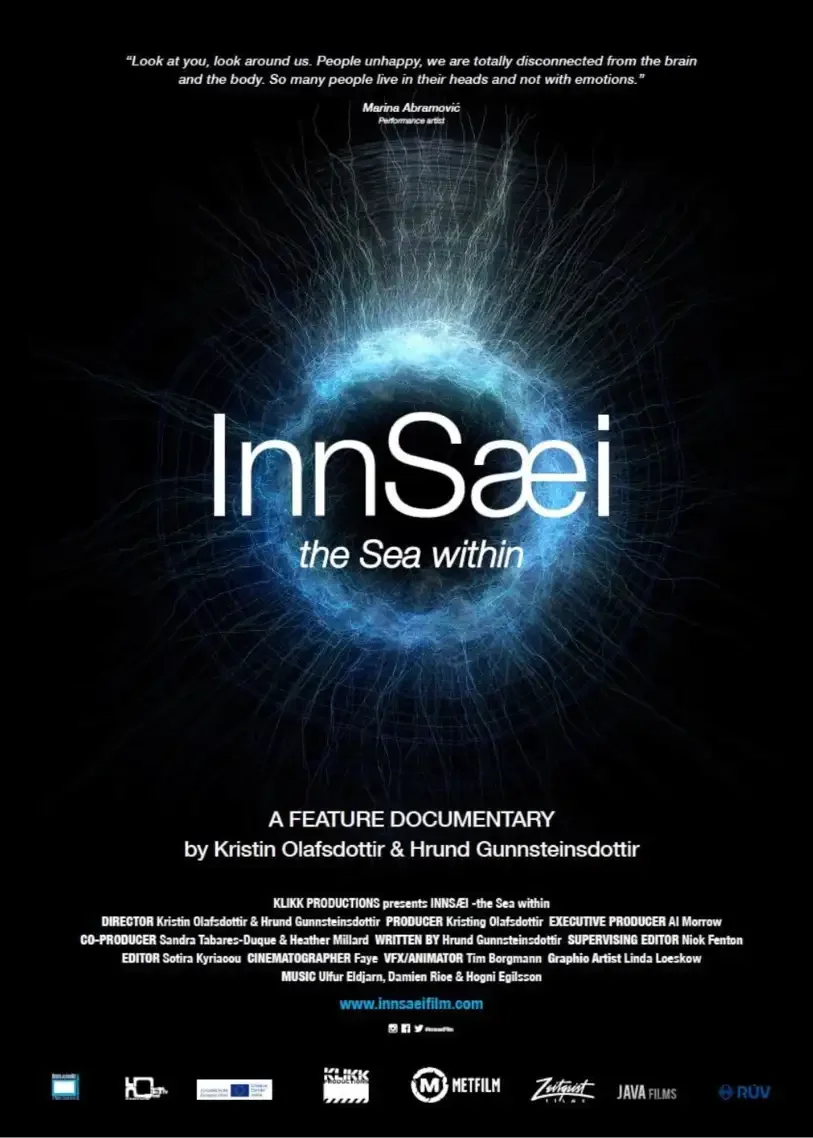

This documentary approaches intuition as a form of knowledge grounded in experience, perception, and the rapid integration of information. Through various interviews and examples, it explores how intuition shapes decision-making and how people interpret their surroundings. Its relevance here lies in understanding the relationship between conscious and intuitive thought, and how, under pressure or high demand, the balance between the two can shift.
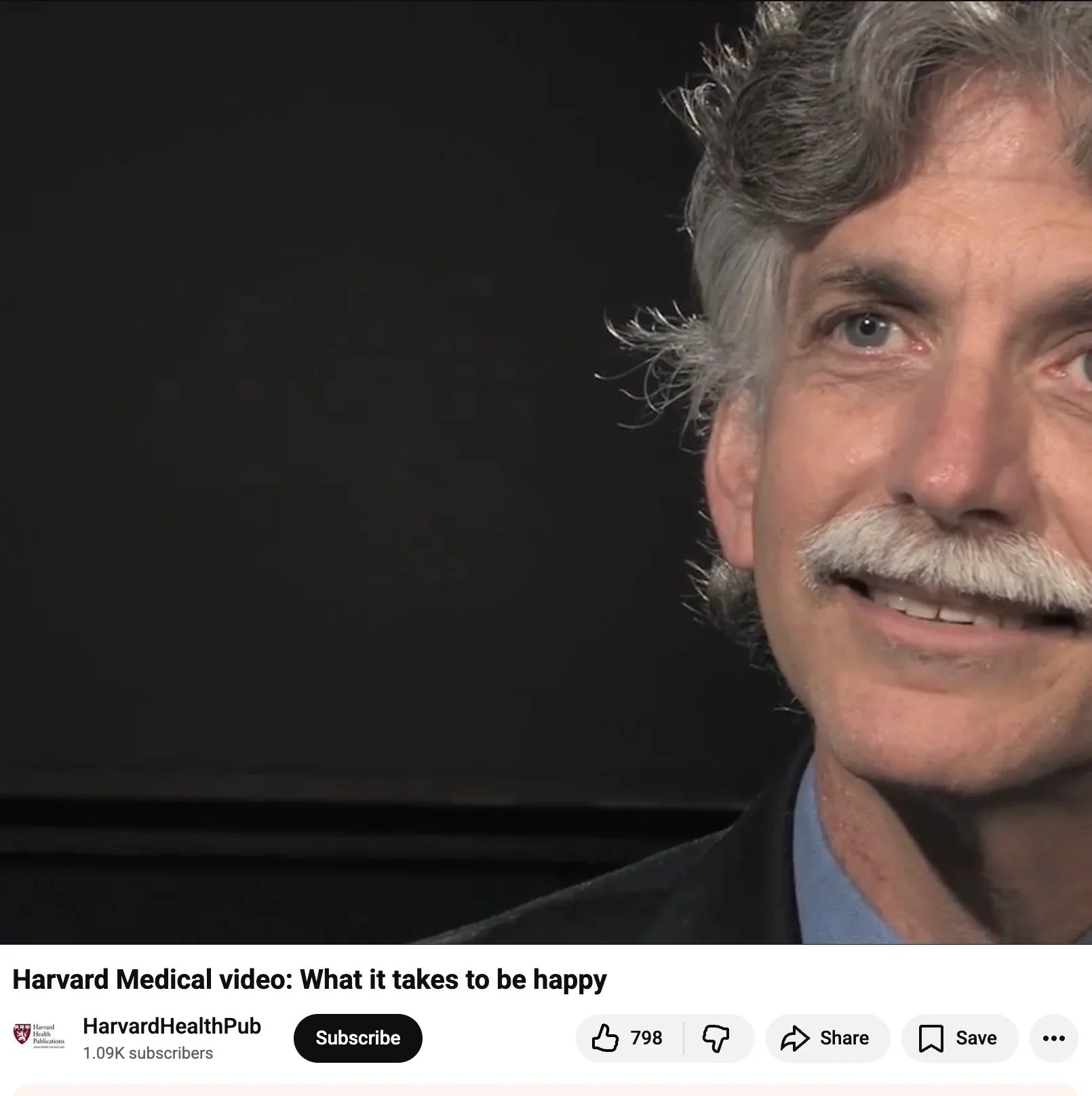
One of the most counterintuitive findings in behavioral science is that we are genuinely poor at predicting what will make us happy. Money, career achievements, even having children produce far less lasting happiness than most people expect — partly because the brain was not designed for happiness but for survival. The video covers the five evidence-based paths to sustained wellbeing identified by positive psychology — strengths, gratitude, savoring, flow, and meaning — and closes with mindfulness as the practice that makes all five more accessible. A useful complement to the course for anyone who wants to understand why presence is not just a meditation concept but a condition for a genuinely better life.