
We live at an accelerated pace, distracted and with an increasingly fragmented attention span. We know something is not working, yet we keep doing the same things. This course is not an introduction to relaxation or a collection of breathing techniques: it is a journey through the psychology and neuroscience behind how the human mind actually works, and why mindfulness — understood as attention training — can measurably change the way we think, feel and respond.
Throughout the session, we will explore the scientific foundations of mindfulness, train attention and awareness as concrete skills, work on emotional regulation through neuroscience, and learn practical tools to reduce stress. And we will do it through practice: each module includes real exercises — guided meditations, grounding techniques, body scanning and conscious breathing — so the experience does not remain purely conceptual. The goal is not simply to know more about mindfulness, but to start using it.
Course: Mindfulness.

Contenidos.
-
Before practicing, it is useful to understand. This module establishes what mindfulness is—and what it is not—through its core components: attention, awareness, non-judgmental attitude, and acceptance. It also introduces the distinction between mindfulness and mindsight, and explores neuroplasticity as the scientific basis for why mental training produces observable changes in the brain.
-
The mind is not a fixed system. This module works with attention as a trainable skill: what it means to direct it, what happens when it becomes scattered, and how mindfulness progressively strengthens the ability to remain in the present. A distinction is made between attention—focused awareness on an object—and awareness—an open perception of the overall field—and focused attention meditation is practiced.
-
Emotions are not automatic responses that simply happen to us: they are active constructions of the brain, shaped by physiological state, prior experience, and context. Building on the work of Lisa Feldman Barrett, this module explores how emotional life actually works and what it means to manage it: recognizing patterns, creating space between emotion and reaction, and developing a more conscious relationship with what we feel.
-
Chronic stress is not just a feeling: it has documented effects on the nervous system, the immune system, and cardiovascular health. This module examines what happens in the brain and body during the stress response—amygdala, cortisol, sympathetic system—and explains, based on research, why mindfulness reduces it: less rumination, improved attentional regulation, and greater parasympathetic activation. The 5-4-3-2-1 grounding technique is practiced.
-
Mindfulness is not a practice reserved for retreats or long meditation sessions. This module focuses on real integration: how to build a consistent habit from minutes, not hours. Conscious breathing, body scan, mindful walking, brief meditations, and loving-kindness meditation—all concrete tools to keep the practice active outside the classroom.
Course presentation.
All the content from the sessions is available here — the full presentation with notes for each slide. Use it as a reference when you want to revisit a practice, go deeper on a concept that resonated, or find your way back to something you want to bring more consistently into your daily life.
Book a session with me.

These sessions are designed as an optional space to continue the work done in the course. If you want to go deeper into a specific concept, review a situation from your context, or need support implementing a change, you can use this space to work on it in a more focused way. The aim is to help you transfer what you have learned to your work reality with greater clarity and judgment.
Some recomendations.
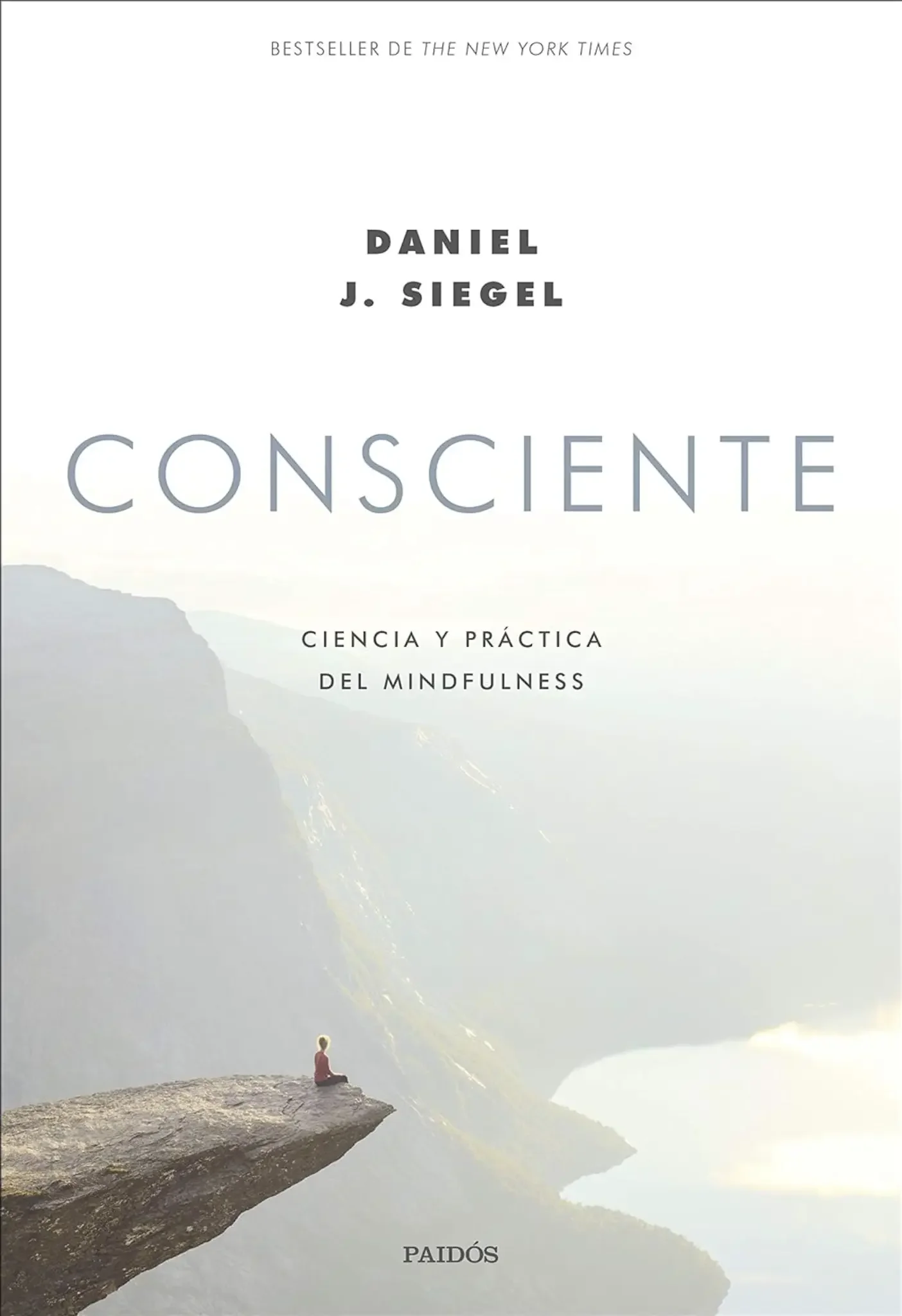
Of all Siegel's books, this is the one most directly centered on mindfulness as practice. Starting from neuroscience, it explains why sustained attention produces measurable changes in the brain and introduces his own practical tool — the Wheel of Awareness — for training attention, opening consciousness, and developing more deliberate intention. Unlike many books on mindfulness, it does not stop at technique: it explains the mechanism. A natural continuation for anyone who wants to go deeper into both the science and the practice after the course.
Aware: The Science and Practice of Mindfulness (Daniel Siegel).
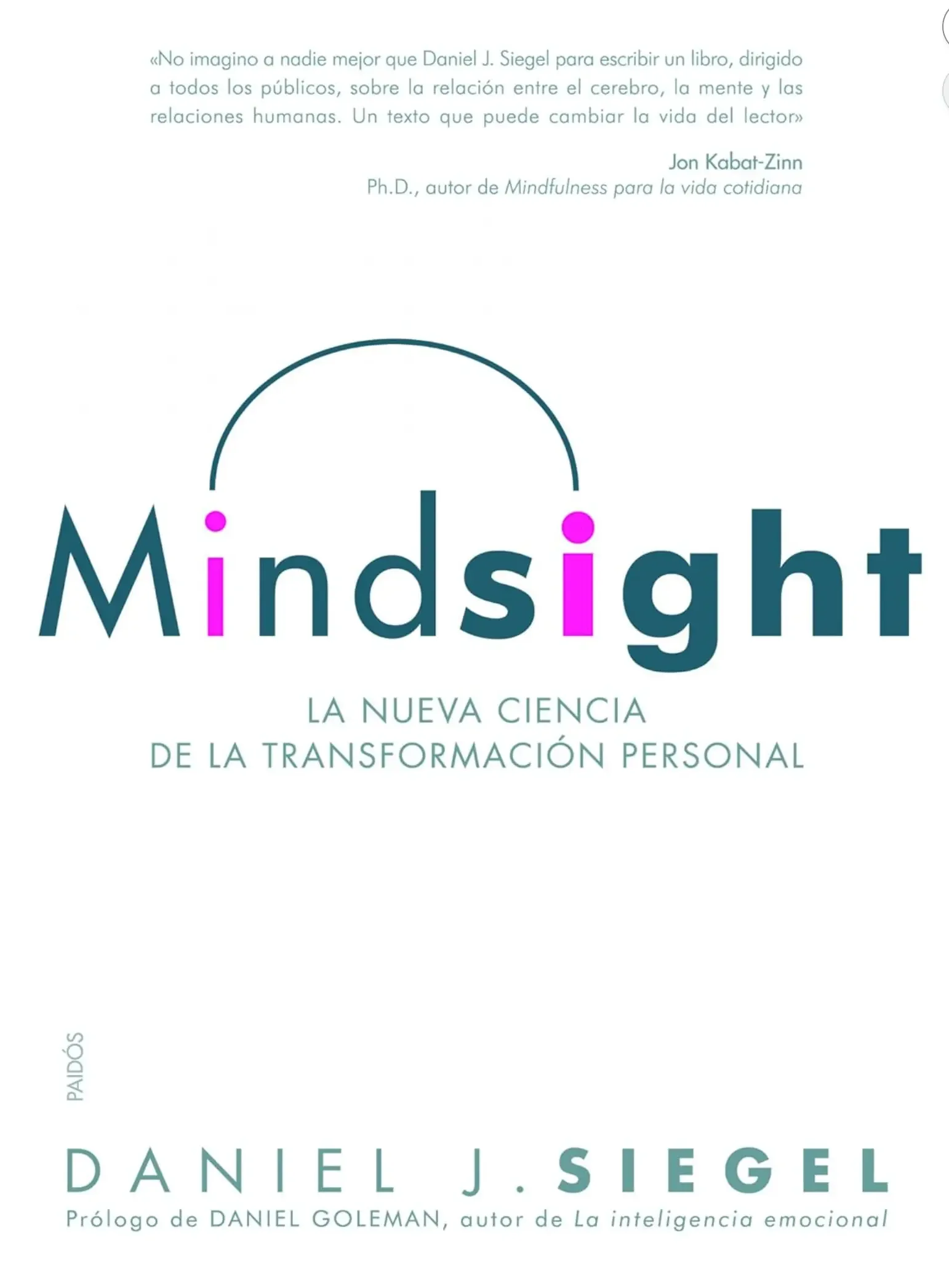
Mindsight: The New Science of Personal Transformation (Daniel Siegel).
Siegel introduces a concept he defines as the capacity to observe one’s own mind from within: seeing one’s thoughts and emotions with enough clarity not to become trapped by them. Through clinical cases and neuroscientific foundations, he explains how emotional and relational patterns are formed, why they repeat, and how they can be changed. Its main value for this course is that it provides a concrete framework for understanding the difference between automatic reaction and conscious response, which is exactly what mindfulness trains.
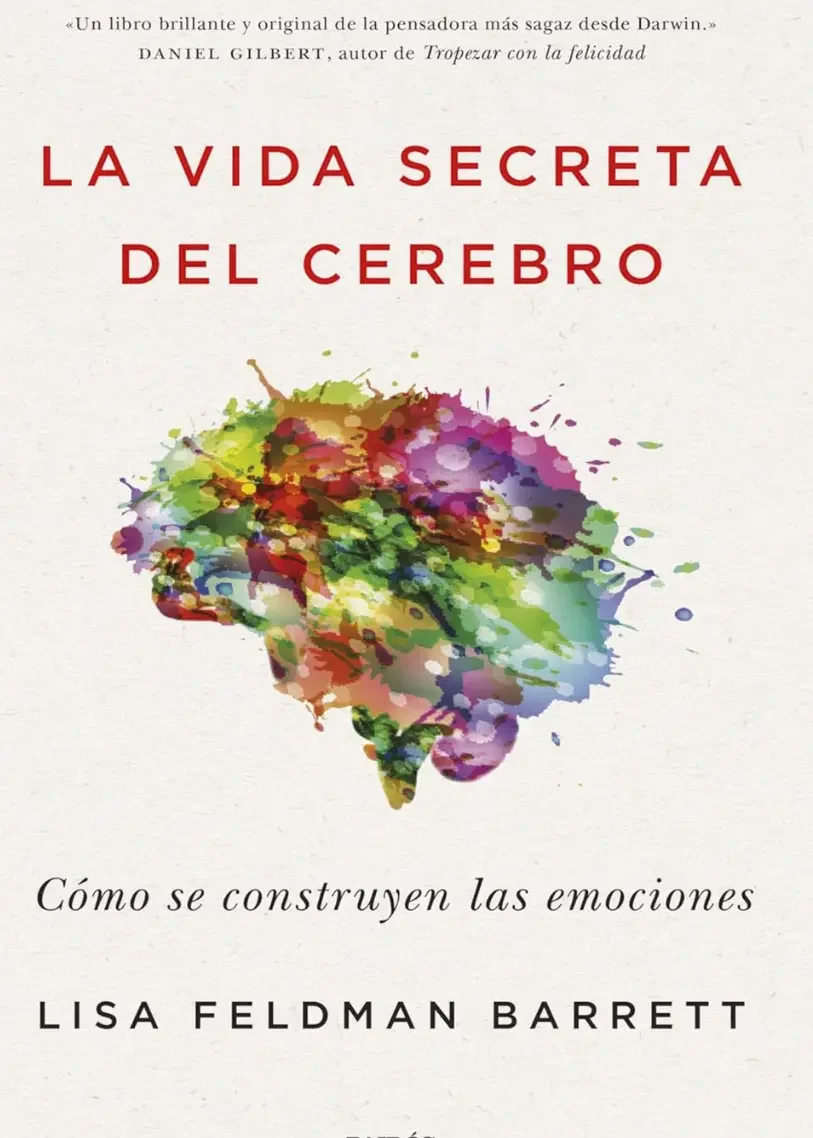
Barrett is one of the most important neuroscientists working today, and her central argument overturns a widely held assumption: emotions are not hardwired reactions that happen to us. They are constructed by the brain — predictions generated from past experience, current context, and the concepts available to make sense of what we are feeling. For this course, her work is particularly relevant in understanding why anxiety about presenting is not fixed or inevitable. As the concepts you have about presenting change, the emotional experience the brain constructs around presenting changes with it.
The Secret Life of the Brain — Lisa Feldman Barrett.
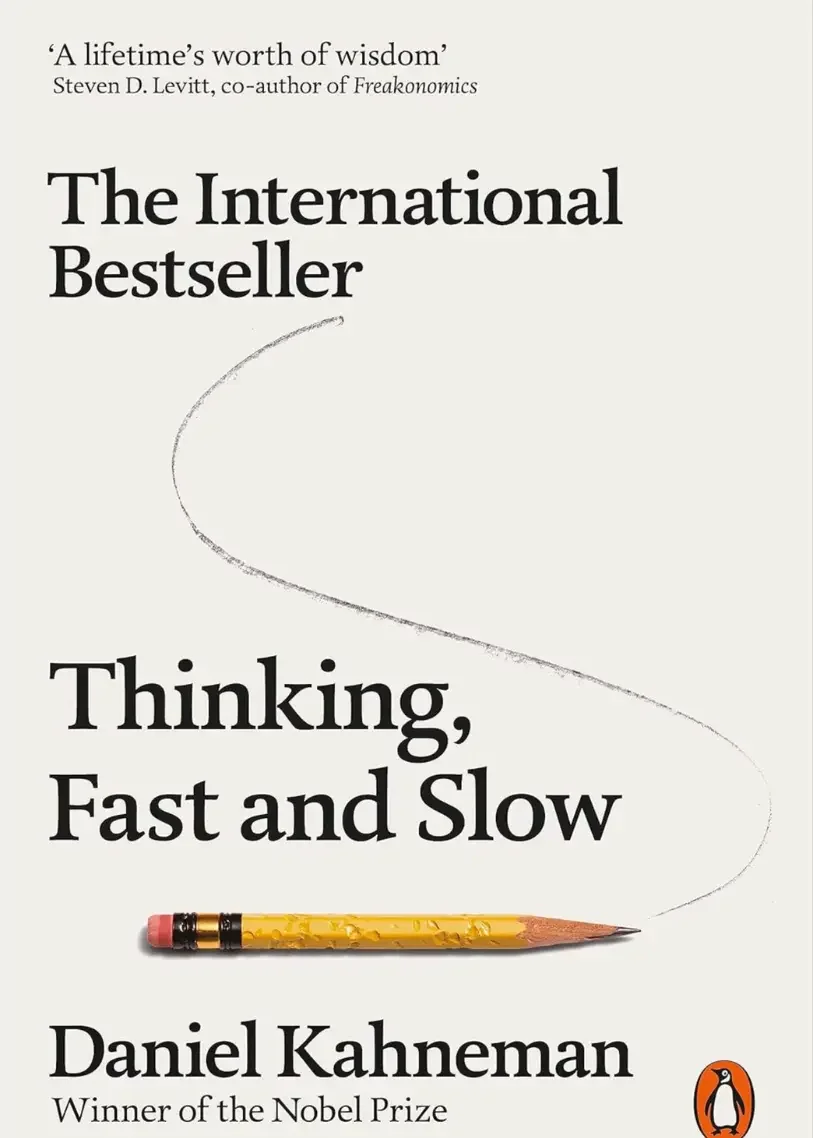
Thinking Fast and Slow — Daniel Kahneman
Kahneman spent decades studying how human beings actually make decisions — and his conclusion is that we are far less rational than we believe. The brain operates through two systems: a fast, automatic, intuitive system that makes rapid judgments based on pattern and feeling, and a slow, deliberate, analytical system that requires effort and attention. Most professional presentations are designed entirely for the slow system — logical, sequential, evidence-based. But it is the fast system that decides whether to pay attention, whether to trust the presenter, and whether to act on what was said. Understanding both systems is essential for anyone who wants their message to actually land.

Dawkins proposed a radical shift in how evolution is understood: it is not organisms that survive and adapt, but genes. Individuals — humans included — are, in his framework, survival machines built by genes to perpetuate themselves. Behavior that appears altruistic, cooperative, or loving is not explained by noble intention but by genetic strategy. Its relevance for this course is indirect but real: it helps explain where many of our automatic impulses come from — the bias toward immediate reward, the reactivity in the face of threat, the pull toward self-interest — and why the brain was not designed for wellbeing but for survival. Understanding that is not pessimistic. It is the clearest possible argument for why training the mind is not optional.
The Selfish Gene — Richard Dawkings.
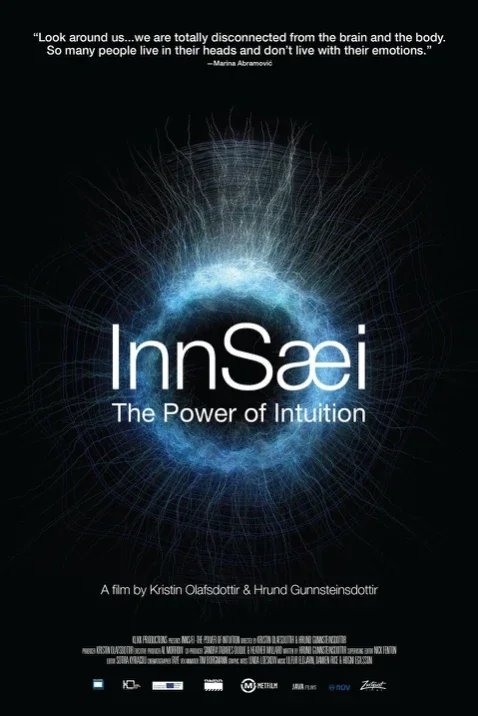
InnSæi is an Icelandic word with three meanings: the sea within, to see within, and to see from the inside out. This documentary takes those three meanings as its starting point and explores what happens to human beings when constant distraction, information overload, and the dominance of rational thinking disconnect us from our inner life. Through conversations with neuroscientists, artists, educators, and thinkers from different cultures, it makes a quiet but compelling case for slowing down, turning inward, and recovering the capacity to listen to what the mind and body already know. Its connection to this course is direct: the film puts in visual and human terms many of the ideas covered in the session — the cost of autopilot, the value of presence, and why mindfulness is not a luxury but a necessary skill for navigating the world we actually live in.
Insaei Movie.
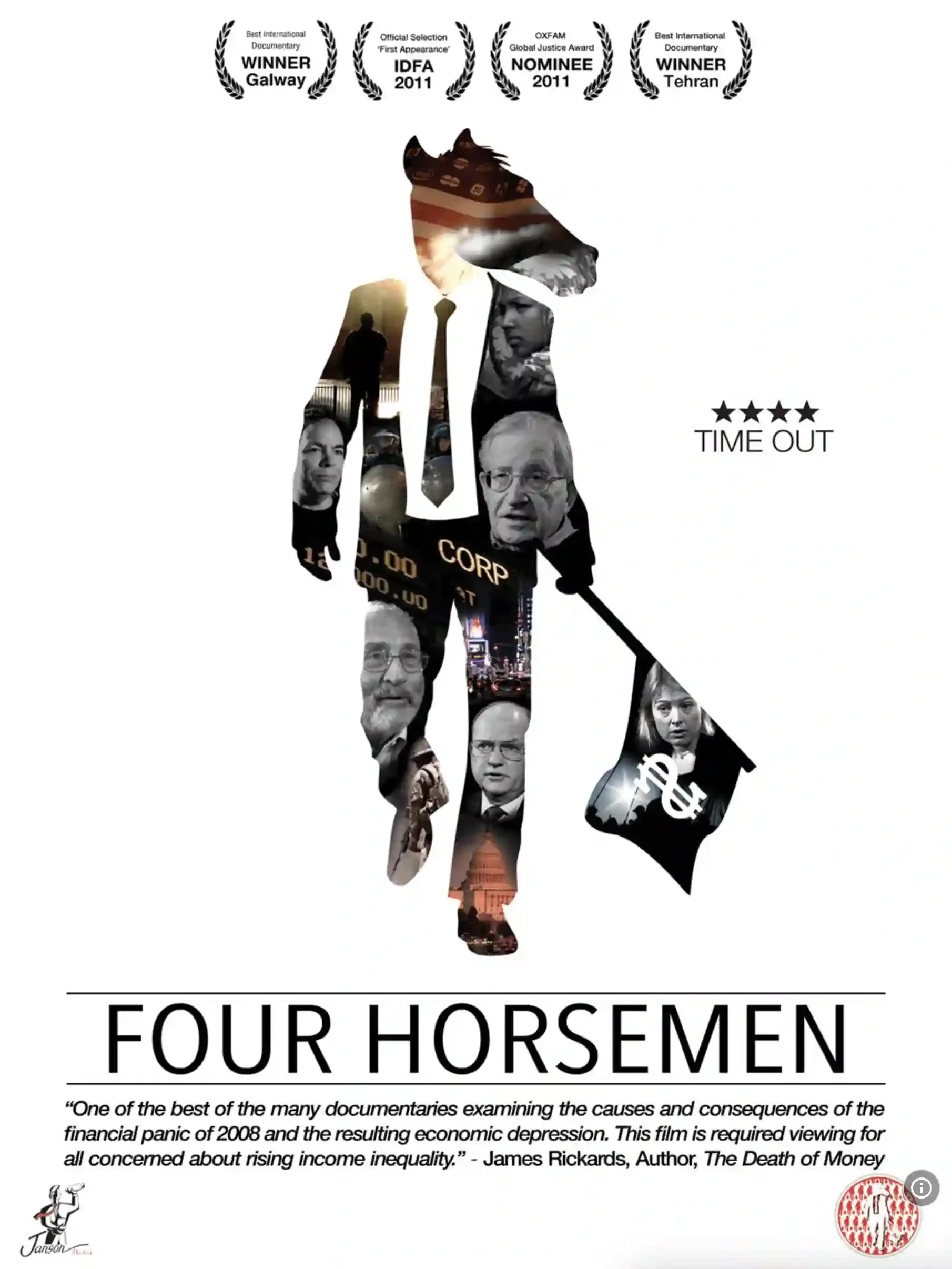

Bringing together 23 thinkers including Noam Chomsky and Nobel Prize winner Joseph Stiglitz, this documentary examines how the global economic system actually works and why it consistently fails the majority of people. Its relevance to this course is not economic but psychological: the film raises uncomfortable questions about the values and assumptions that drive collective behavior, and about what happens when entire systems operate on autopilot — disconnected from reflection or any real consideration of consequences. Precisely the kind of thinking that mindfulness, at its most serious, invites us to apply not just to our own minds but to the world we participate in.
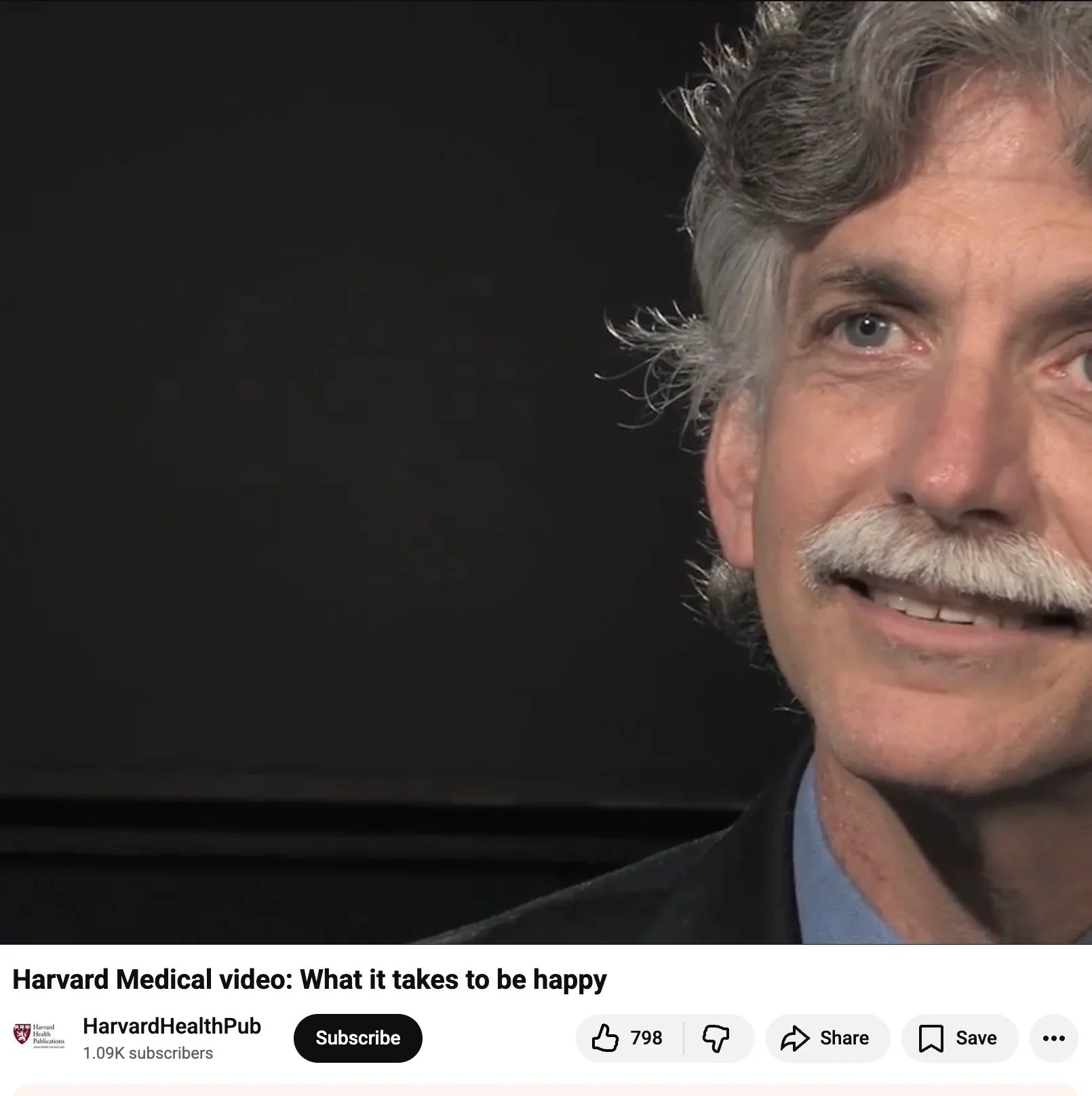
One of the most counterintuitive findings in behavioral science is that we are genuinely poor at predicting what will make us happy. Money, career achievements, even having children produce far less lasting happiness than most people expect — partly because the brain was not designed for happiness but for survival. The video covers the five evidence-based paths to sustained wellbeing identified by positive psychology — strengths, gratitude, savoring, flow, and meaning — and closes with mindfulness as the practice that makes all five more accessible. A useful complement to the course for anyone who wants to understand why presence is not just a meditation concept but a condition for a genuinely better life.