

COURSE: MENTORING.

This course is designed for people who are about to take on a mentoring role, or who are already doing it and want to do it better. Over these two sessions we will work on what actually makes mentoring effective; a way of thinking, listening, and relating that helps the people you support grow in ways that last.
The course is built on a simple idea: the best mentors are not those who have all the answers. They are those who ask the right questions, create the conditions for genuine development, and know when to step back.
The sessions combine psychological insight with practical application. You will work with real situations and discuss real challenges.
CONTENTS.
-
Before learning any technique, it helps to be clear about what mentoring actually is — and what it is not. This module covers the difference between mentoring, coaching, consulting, and simply giving advice. More importantly, it examines the mindset that distinguishes an effective mentor from a well-intentioned one: curiosity over certainty, growth over dependency, the guide rather than the hero. We also look at the ethical responsibilities that come with the role and the importance of knowing your own limits.
-
Effective mentoring begins with self-knowledge. Before you can support someone else's development, you need to understand how your own assumptions, beliefs, and blind spots shape what you see and how you respond. This module examines the biases that distort a mentor's perception — confirmation bias, the halo effect, attribution bias, the availability heuristic, and others — and what it takes to approach each mentee with genuine curiosity rather than a pre-formed judgment.
-
Emotions are not obstacles to good mentoring — they are information. This module draws on the work of neuroscientist Lisa Feldman Barrett to examine how emotions are constructed, what they tell us about how a person is interpreting their situation, and how a mentor can work with emotional content in a conversation rather than around it. We look at what happens in the brain when someone feels threatened or overwhelmed, and what that means for how you show up as a mentor.
-
Nothing in mentoring works without trust. This module examines what actually builds it — and what quietly destroys it. We look at rapport, psychological safety, empathy as a practical skill rather than a feeling, authenticity, and the difference between accepting someone where they are and resigning yourself to them staying there. We also cover the practical architecture of the mentoring relationship: setting expectations, clarifying goals, defining roles, and establishing healthy boundaries from the start.
-
The quality of a mentoring relationship is largely determined by the quality of the conversations within it. This module covers what it means to be fully present in a conversation, how to listen at the level where real issues become visible, why advice fails more often than we expect, and how a well-crafted question can change the way someone sees their situation entirely. We also look at body language and tone, the discipline of silence, and what it means to guide rather than direct.
-
Understanding what drives another person is one of the most valuable skills a mentor can develop. This module draws on Daniel Pink's research on autonomy, mastery, and purpose, as well as the psychology of intrinsic and extrinsic motivation, to examine why people engage deeply with some things and disengage from others. We look at what happens when motivation drops, how to create environments where it is more likely to flourish, and the role of self-efficacy — the belief that improvement is genuinely possible — in sustaining development over time.
-
Mentors influence the people they work with — through their questions, their presence, their feedback, and their behavior. This module examines how that influence works, drawing on Robert Cialdini's six principles of persuasion, and explores the line between ethical influence and manipulation. We look at why people change their minds, what creates credibility, how framing shapes perception, and how motivational interviewing — helping people articulate their own reasons for changing — is often more effective than any argument a mentor could make.
-
Learning is not what happens when someone receives information. It is what happens when something changes — in how they think, how they approach problems, how they act. This module examines how adults actually learn, the role of reflection in turning experience into development, and how mentors can design conversations and experiences that produce genuine growth rather than temporary insight. We also cover feedback in depth: how to give it so it lands, how to receive it well, and how to follow up in ways that turn awareness into lasting change.
-
Every mentoring relationship encounters difficulty at some point. This module prepares you for the moments that test the relationship: setbacks, resistance to change, difficult conversations, conflict, and the repair of trust when it has been damaged. We look at how to approach these situations with curiosity rather than defensiveness, and how the challenges in a mentoring relationship — handled well — often become its most valuable moments.
-
Every mentoring relationship should move toward a moment when the mentee no longer needs you. This module examines what that final stage looks like — fostering genuine ownership, developing independent thinkers, and reviewing the process honestly. We look at how to measure growth, recognise success, and end the relationship in a way that honours what has been built without prolonging it unnecessarily. Letting go with intention is one of the hardest and most important things a mentor can do.
COURSE MATERIAL.
All the content from the sessions is available here — the full presentation with notes for each slide. Use it as a reference when you want to revisit a concept, go deeper on something that stayed with you, or find your way back to an idea you want to bring more consistently into your mentoring practices.
BOOK A SESSION WITH ME.

These sessions are designed as an optional space to continue the work done in the course. If you want to go deeper into a specific concept, review a situation from your context, or need support implementing a change, you can use this space to work on it in a more focused way. The aim is to help you transfer what you have learned to your work reality with greater clarity and judgment.
SOME RECOMENDATIONS.
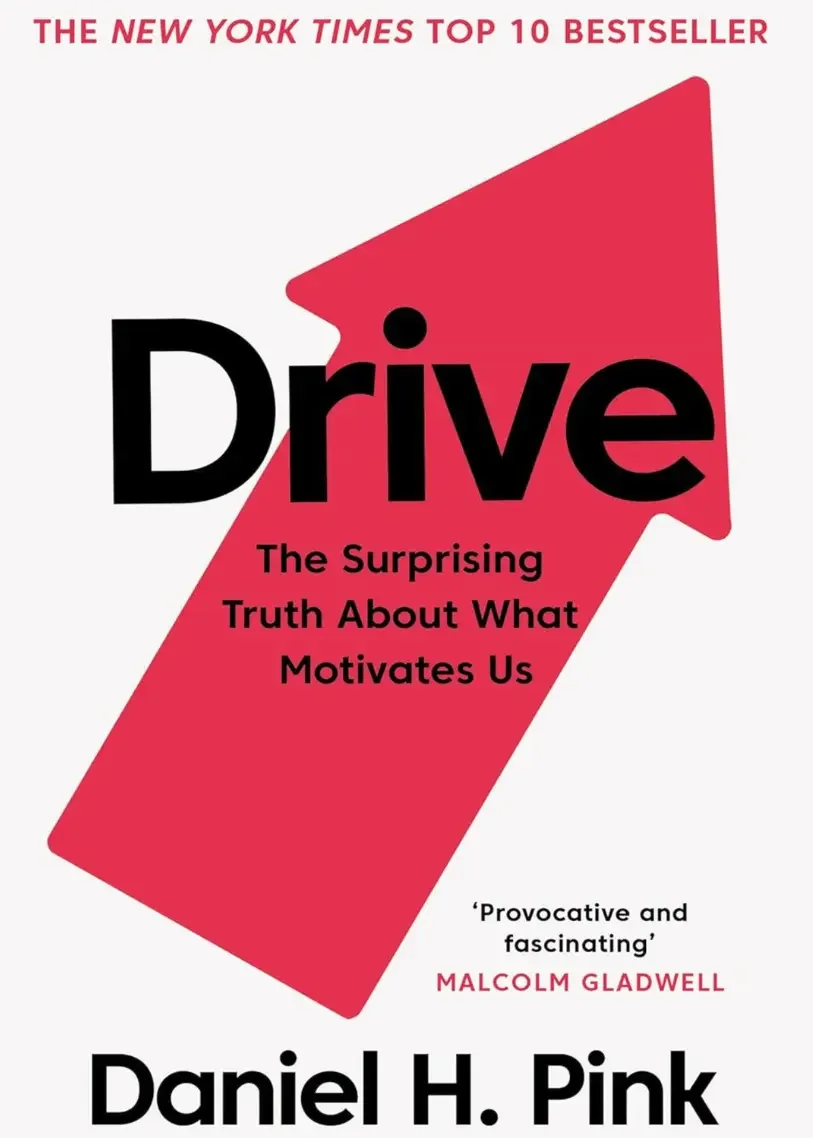
Drive: The Surprising Truth About What Motivates Us - Daniel H. Pink.
Pink analyses motivation from a research-based perspective, moving away from models centred solely on external rewards. He argues that factors such as autonomy, mastery and purpose play a key role in how people sustain effort over time. This approach helps explain why some ways of organising work support sustained performance while others increase mental fatigue.
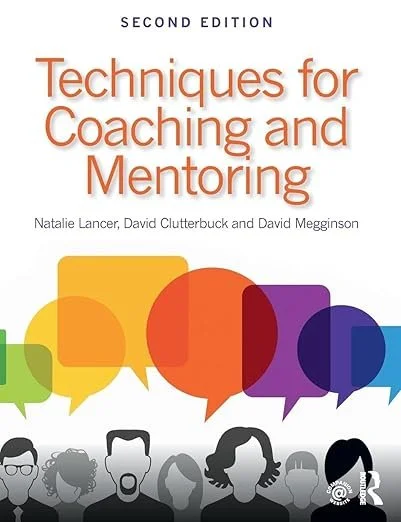
Techniques for Coaching and Mentoring - Lancer, Clutterbuck, Megginson.
Pink analyses motivation from a research-based perspective, moving away from models centred solely on external rewards. He argues that factors such as autonomy, mastery and purpose play a key role in how people sustain effort over time. This approach helps explain why some ways of organising work support sustained performance while others increase mental fatigue.

Barrett is one of the most important neuroscientists working today, and her central argument overturns a widely held assumption: emotions are not hardwired reactions that happen to us. They are constructed by the brain — predictions generated from past experience, current context, and the concepts available to make sense of what we are feeling. For this course, her work is particularly relevant in understanding why anxiety about presenting is not fixed or inevitable. As the concepts you have about presenting change, the emotional experience the brain constructs around presenting changes with it.
The Secret Life of the Brain - Lisa Feldman Barrett.
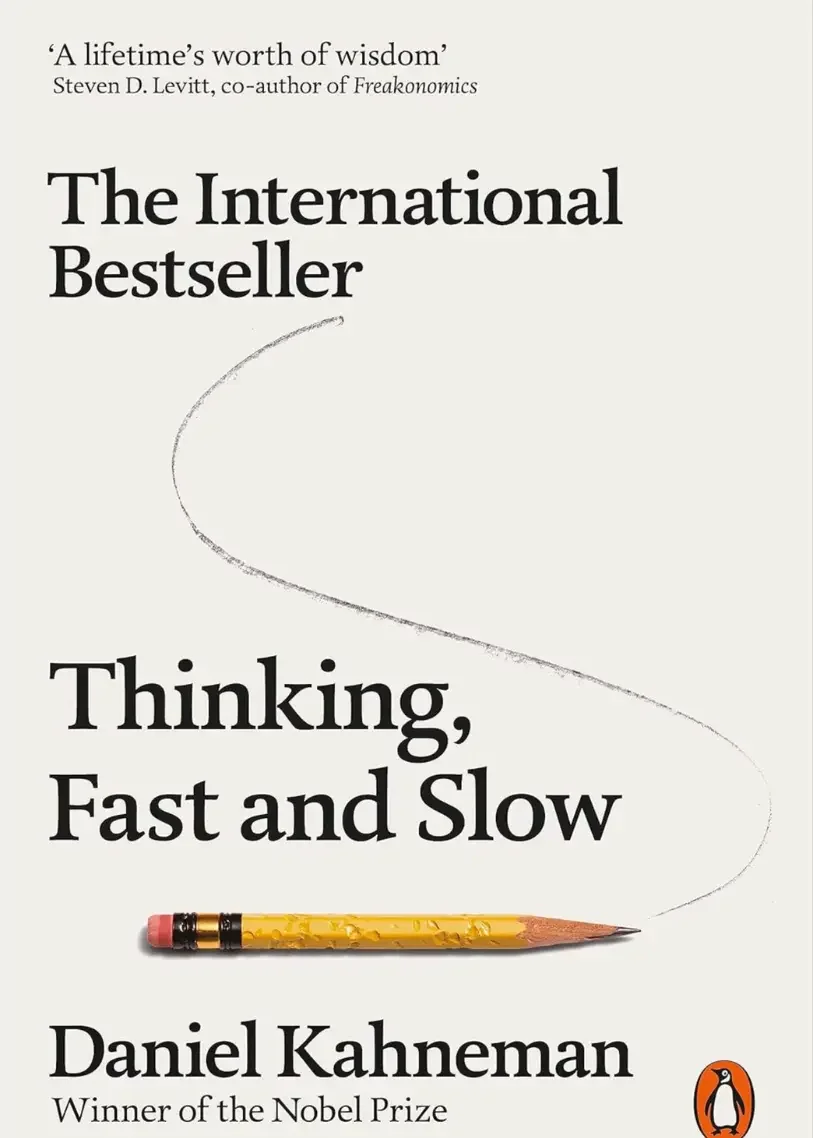
Thinking Fast and Slow - Daniel Kahneman
Kahneman spent decades studying how human beings actually make decisions — and his conclusion is that we are far less rational than we believe. The brain operates through two systems: a fast, automatic, intuitive system that makes rapid judgments based on pattern and feeling, and a slow, deliberate, analytical system that requires effort and attention. Most professional presentations are designed entirely for the slow system — logical, sequential, evidence-based. But it is the fast system that decides whether to pay attention, whether to trust the presenter, and whether to act on what was said. Understanding both systems is essential for anyone who wants their message to actually land.
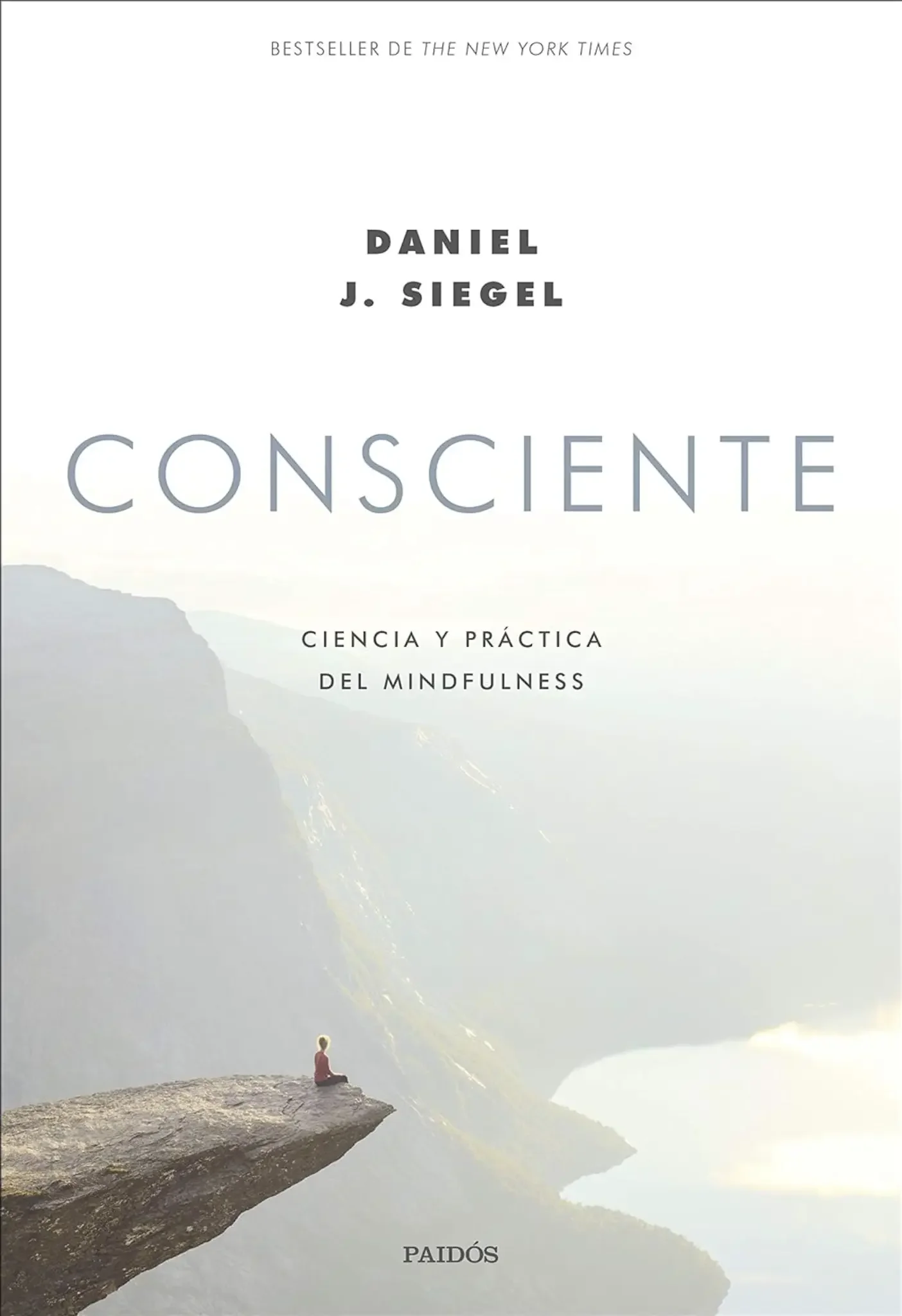
Of all Siegel's books, this is the one most directly centered on mindfulness as practice. Starting from neuroscience, it explains why sustained attention produces measurable changes in the brain and introduces his own practical tool — the Wheel of Awareness — for training attention, opening consciousness, and developing more deliberate intention. Unlike many books on mindfulness, it does not stop at technique: it explains the mechanism. A natural continuation for anyone who wants to go deeper into both the science and the practice after the course.
Aware: The Science and Practice of Mindfulness - Daniel Siegel.
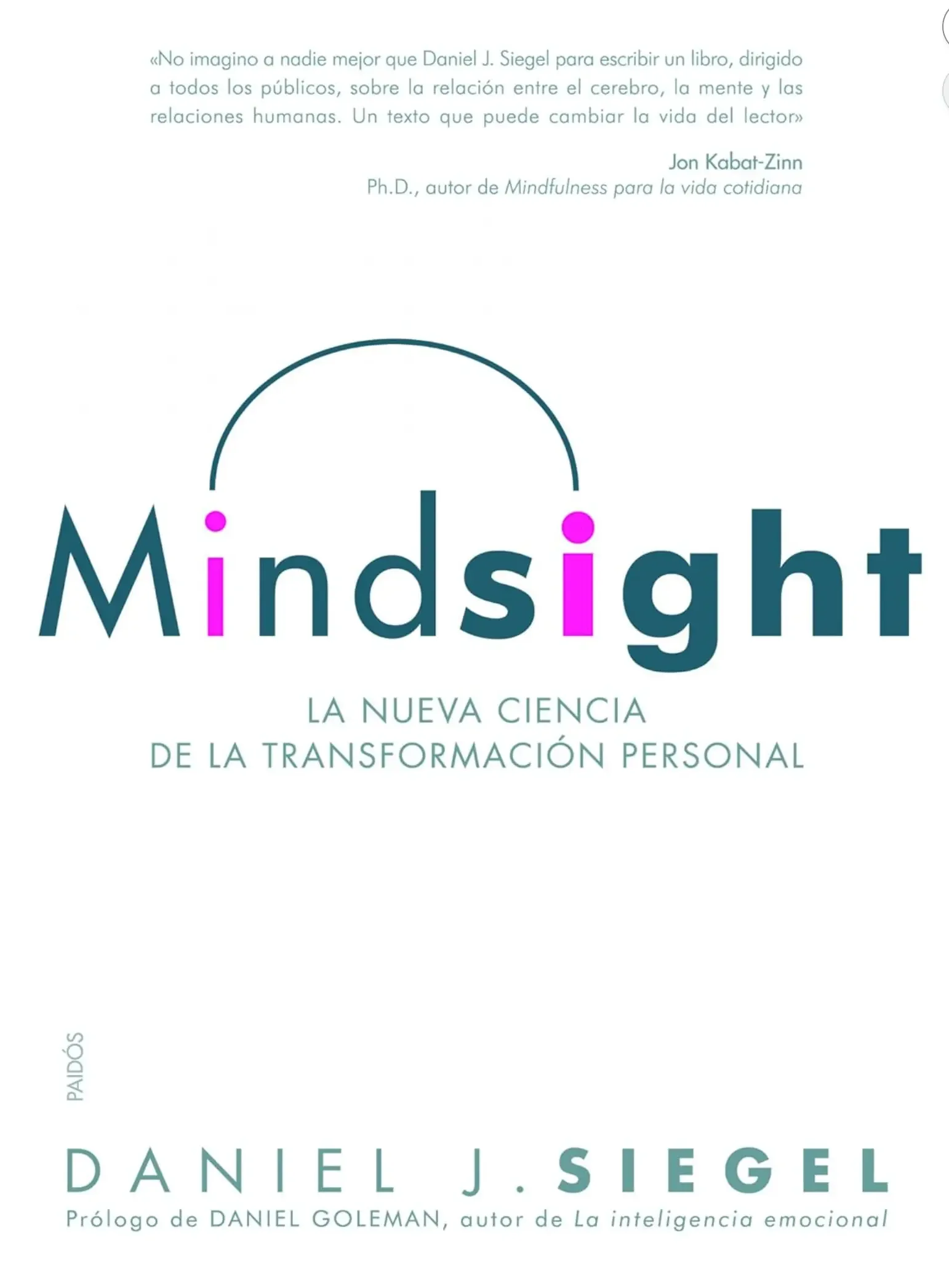
Mindsight: The New Science of Personal Transformation - Daniel Siegel.
Siegel introduces a concept he defines as the capacity to observe one’s own mind from within: seeing one’s thoughts and emotions with enough clarity not to become trapped by them. Through clinical cases and neuroscientific foundations, he explains how emotional and relational patterns are formed, why they repeat, and how they can be changed. Its main value for this course is that it provides a concrete framework for understanding the difference between automatic reaction and conscious response, which is exactly what mindfulness trains.
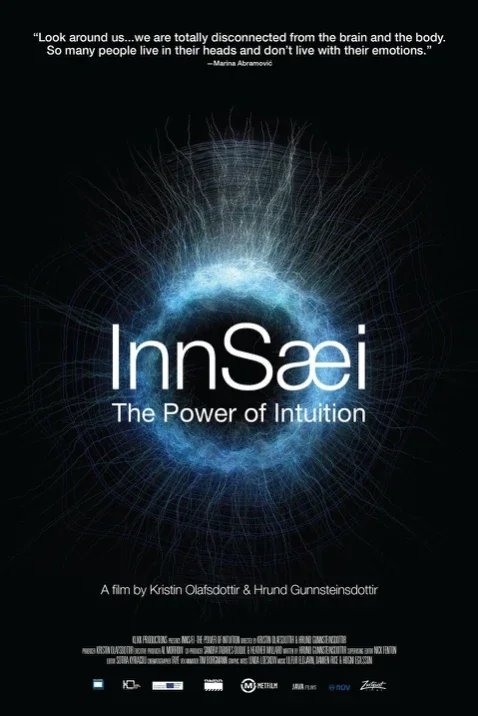
InnSæi is an Icelandic word with three meanings: the sea within, to see within, and to see from the inside out. This documentary takes those three meanings as its starting point and explores what happens to human beings when constant distraction, information overload, and the dominance of rational thinking disconnect us from our inner life. Through conversations with neuroscientists, artists, educators, and thinkers from different cultures, it makes a quiet but compelling case for slowing down, turning inward, and recovering the capacity to listen to what the mind and body already know. Its connection to this course is direct: the film puts in visual and human terms many of the ideas covered in the session — the cost of autopilot, the value of presence, and why mindfulness is not a luxury but a necessary skill for navigating the world we actually live in.
Insaei Movie.
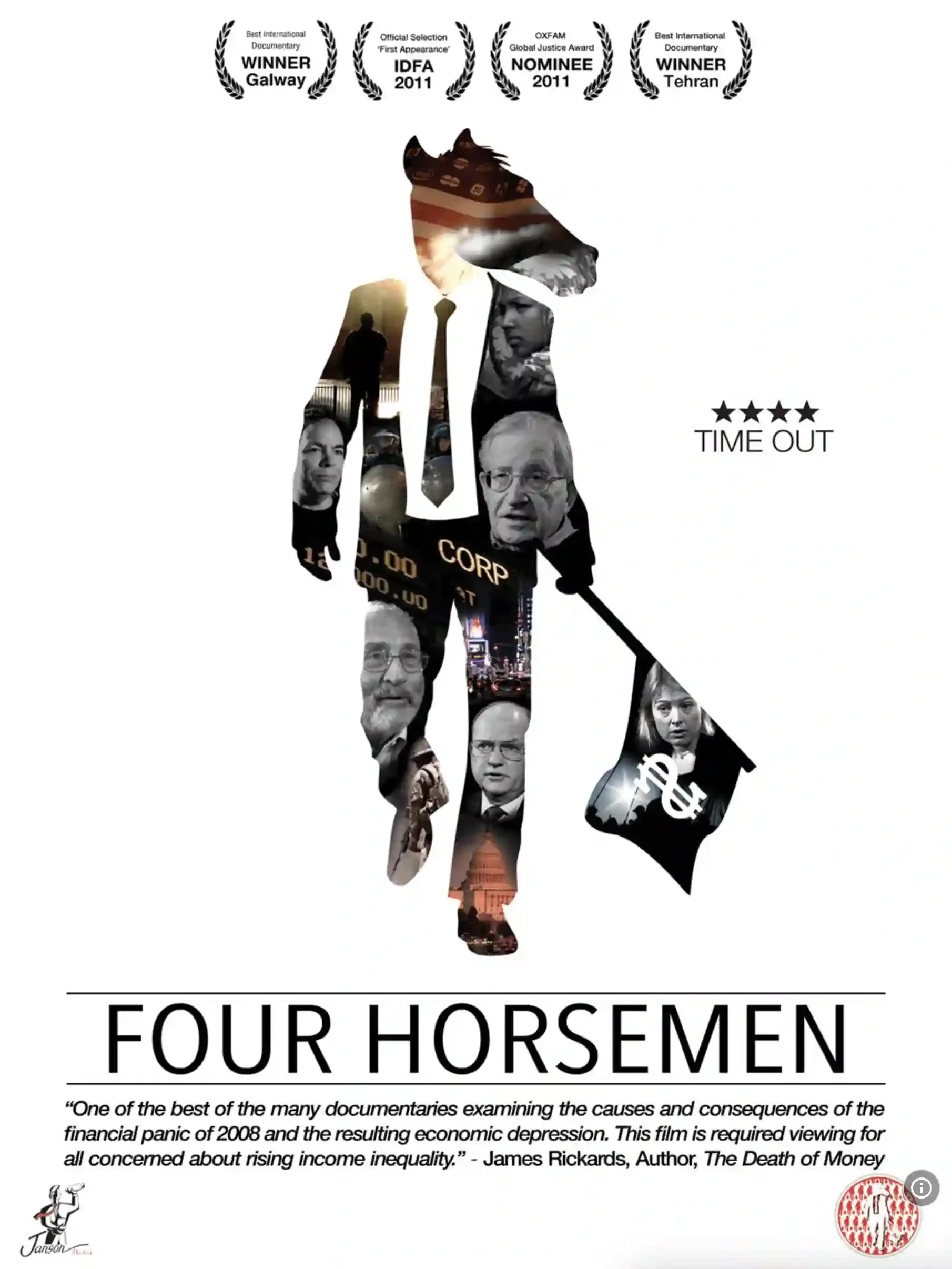

Bringing together 23 thinkers including Noam Chomsky and Nobel Prize winner Joseph Stiglitz, this documentary examines how the global economic system actually works and why it consistently fails the majority of people. Its relevance to this course is not economic but psychological: the film raises uncomfortable questions about the values and assumptions that drive collective behavior, and about what happens when entire systems operate on autopilot — disconnected from reflection or any real consideration of consequences. Precisely the kind of thinking that mindfulness, at its most serious, invites us to apply not just to our own minds but to the world we participate in.
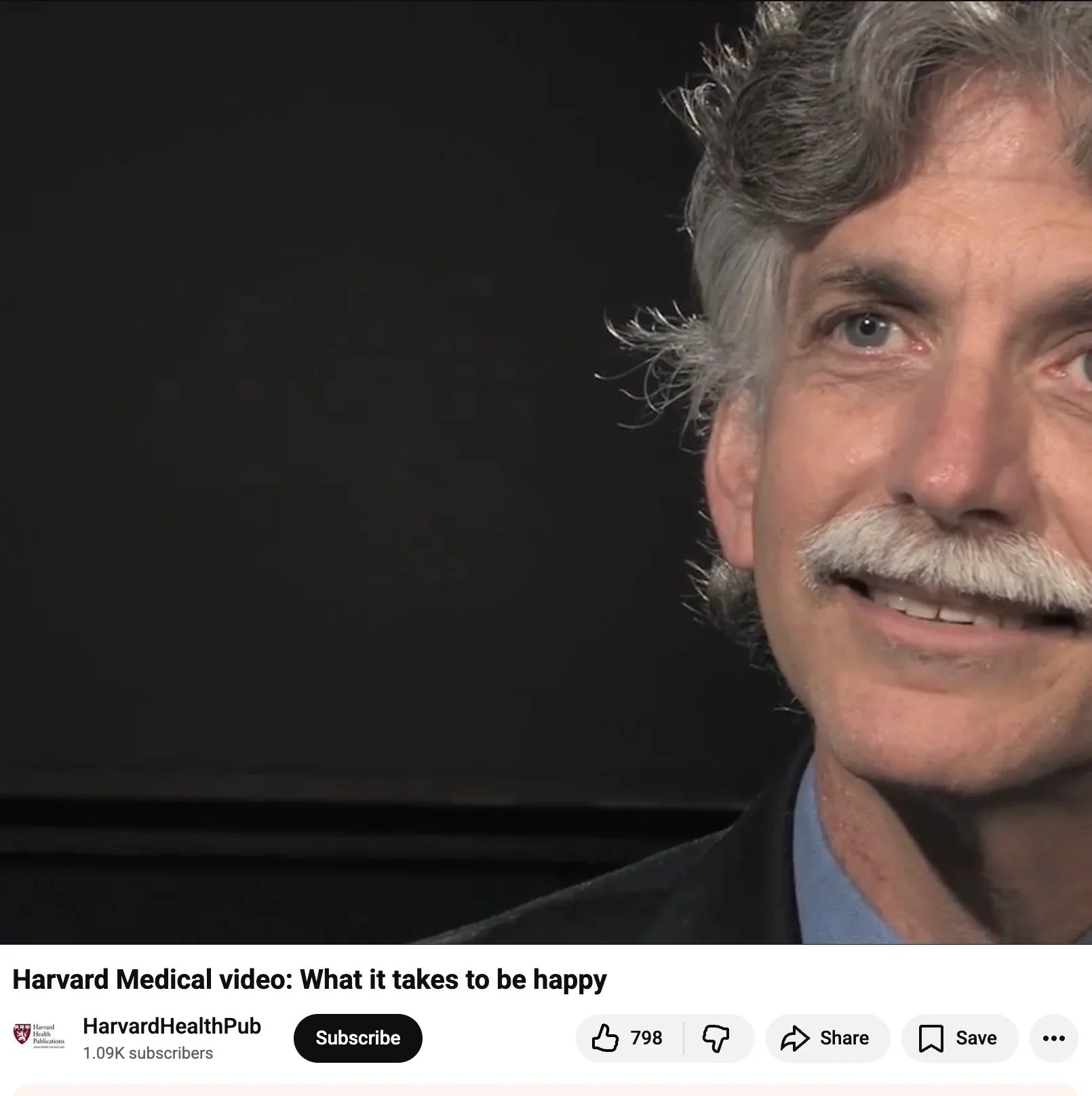
One of the most counterintuitive findings in behavioral science is that we are genuinely poor at predicting what will make us happy. Money, career achievements, even having children produce far less lasting happiness than most people expect — partly because the brain was not designed for happiness but for survival. The video covers the five evidence-based paths to sustained wellbeing identified by positive psychology — strengths, gratitude, savoring, flow, and meaning — and closes with mindfulness as the practice that makes all five more accessible. A useful complement to the course for anyone who wants to understand why presence is not just a meditation concept but a condition for a genuinely better life.
