


GESTIÓN EMOCIONAL & ESTRÉS.

Las emociones y el estrés condicionan nuestra manera de pensar, interpretar las situaciones, relacionarnos y tomar decisiones. Sin embargo, no siempre somos conscientes de cómo influyen en nuestro comportamiento ni de por qué reaccionamos de determinadas maneras.
En esta formación exploraremos, desde la psicología y a través de reflexiones, ejemplos y situaciones cotidianas, cómo funcionan nuestras emociones, cómo respondemos ante el estrés y por qué repetimos comportamientos que no siempre nos benefician.
El objetivo es desarrollar una mayor consciencia, comprender nuestras reacciones y aprender herramientas prácticas para gestionar mejor las emociones, afrontar situaciones difíciles y generar pequeños cambios que podamos trasladar a nuestra vida cotidiana y profesional.
CONTENIDOS DEL CURSO.
-
Antes de hablar de emociones o estrés, quiero invitarte a detenerte y reflexionar sobre algunas cuestiones relacionadas con nuestra manera de pensar, interpretar la realidad y relacionarnos con los demás. ¿Hasta qué punto nuestras decisiones son realmente conscientes? ¿Por qué nos cuesta cambiar, incluso cuando sabemos que hacerlo nos beneficiaría? Exploraremos algunas ideas sobre el comportamiento humano, nuestras expectativas, nuestros sesgos y la influencia que tienen las recompensas inmediatas en nuestras decisiones.
-
Comprender nuestras emociones es el primer paso para aprender a gestionarlas. En este módulo exploraremos cómo se construyen, cómo influyen nuestras experiencias, pensamientos y sensaciones físicas, y por qué una misma situación puede provocar respuestas muy diferentes en cada persona.
Comprender: cómo funcionan las emociones, cómo las interpretamos y qué papel desempeñan nuestras experiencias, pensamientos y sensaciones.
Reconocer: aprender a identificar lo que sentimos, distinguir emociones, pensamientos e impulsos y reconocer nuestras reacciones habituales.
Intervenir: explorar diferentes herramientas y estrategias que nos permitan gestionar nuestras respuestas emocionales y afrontar las situaciones de otra manera.
-
¿Qué ocurre cuando sentimos que una situación nos supera? En este módulo veremos qué es el estrés, cómo se activa nuestro organismo y cómo afecta a nuestro cuerpo, nuestra atención, nuestra capacidad para pensar y nuestras decisiones. Aprenderás a reconocer tus propias señales de estrés, comprender tus respuestas ante la presión y explorar estrategias para gestionar la activación, recuperar la calma y afrontar situaciones difíciles con mayor perspectiva.
-
A lo largo de la formación habrás reflexionado sobre tu manera de pensar, tus emociones, tus reacciones y cómo afrontas determinadas situaciones. En este último módulo te guiaré para empezar a trasladar todo lo trabajado a tu propia realidad.
Te ayudaré a identificar algo que quieras gestionar de manera diferente, a comprender qué mantiene tu respuesta habitual y a explorar qué alternativas puedes poner en práctica. El objetivo es que puedas empezar a diseñar tu propio proyecto de cambio, definir un primer paso realista y llevarte una idea concreta sobre la que comenzar a trabajar después de la formación.
MATERIAL DEL CURSO.
Aquí tienes la presentación completa de la formación, con las notas de cada diapositiva. Puedes consultarla para repasar conceptos, recordar herramientas o revisar cómo aplicar lo aprendido en tu día a día.
SESIÓN ONLINE CONMIGO.
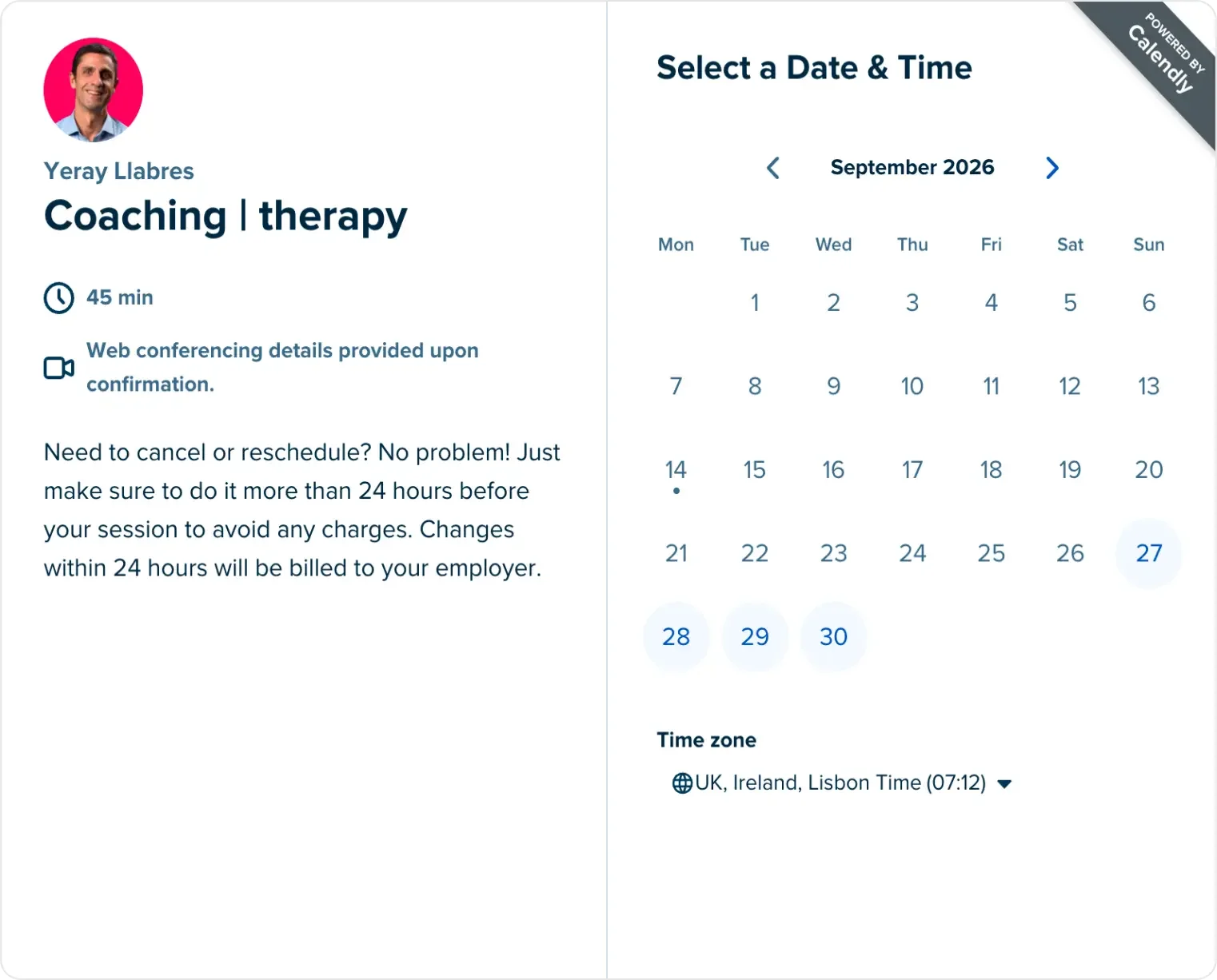
Estas sesiones son un espacio opcional para continuar trabajando en los contenidos del curso. Si quieres profundizar en algún concepto, analizar una situación real que estés afrontando o recibir apoyo para poner en práctica lo aprendido, este es el espacio para hacerlo.
El objetivo es ayudarte a trasladar lo aprendido a tu realidad profesional, con mayor claridad, confianza y una mejor comprensión de cómo aplicarlo.
ALGUNAS RECOMENDACIONES.
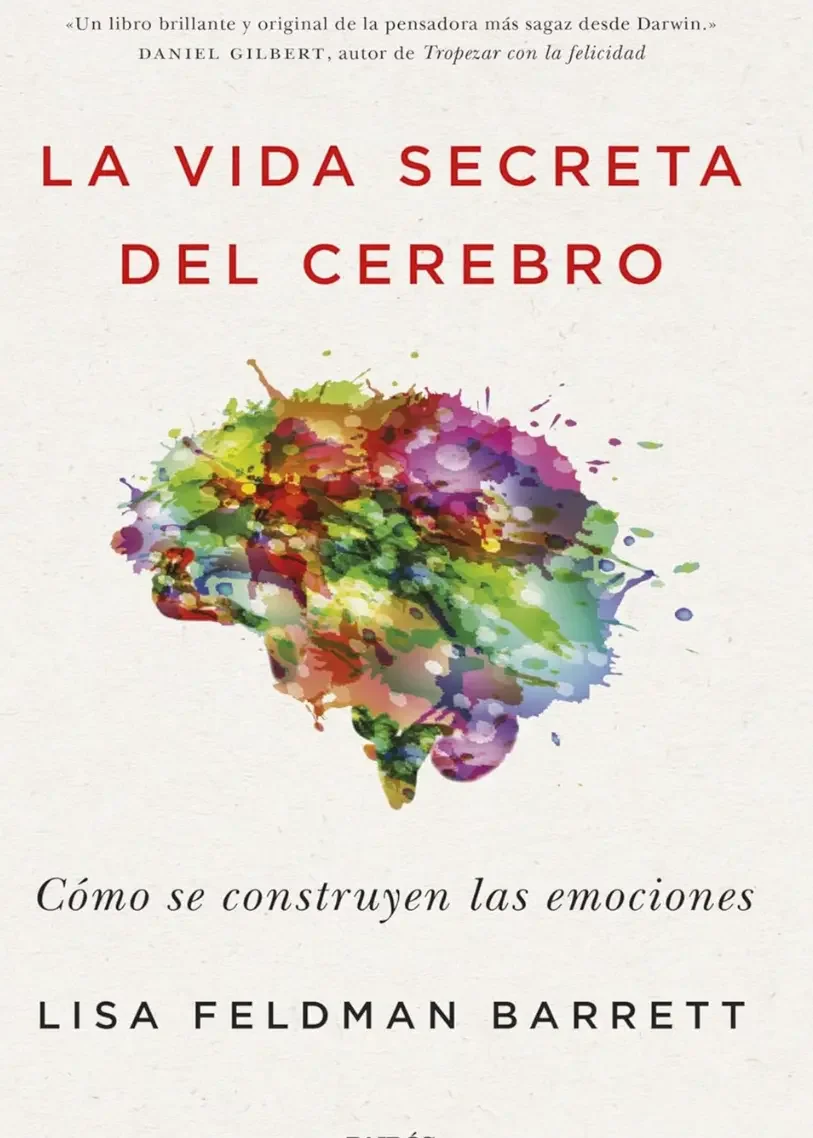
Desde una perspectiva neurocientífica, Barrett plantea que las emociones no son respuestas automáticas universales, sino construcciones que el cerebro genera a partir de la experiencia, el contexto y las predicciones internas. Este enfoque permite entender que el estado emocional no es algo que “nos ocurre”, sino algo que influye directamente en cómo percibimos, interpretamos y actuamos. El libro resulta especialmente útil para comprender el papel de la emoción en el rendimiento y cómo el estrés o la interpretación de una situación pueden modificar el funcionamiento cognitivo.
La Vida Secreta del Cerebro (Lisa Feldman).
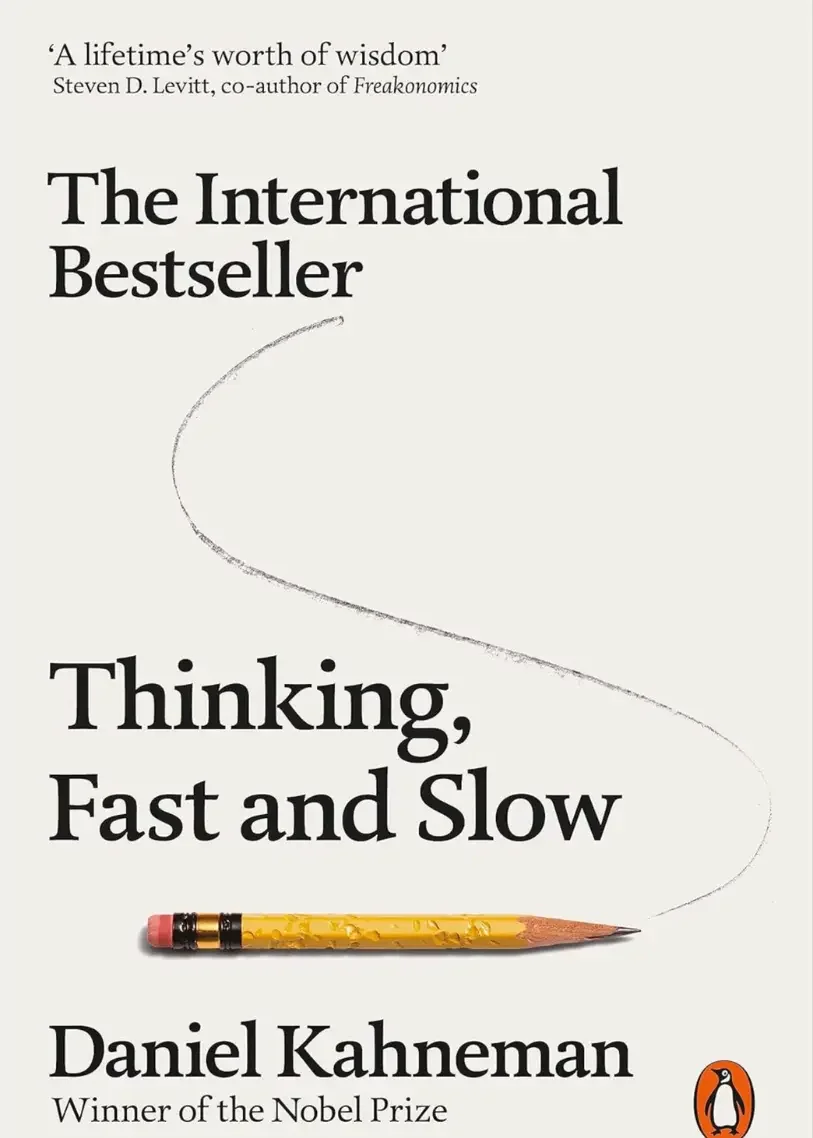
Kahneman spent decades studying how human beings actually make decisions — and his conclusion is that we are far less rational than we believe. The brain operates through two systems: a fast, automatic, intuitive system that makes rapid judgments based on pattern and feeling, and a slow, deliberate, analytical system that requires effort and attention. Most professional presentations are designed entirely for the slow system — logical, sequential, evidence-based. But it is the fast system that decides whether to pay attention, whether to trust the presenter, and whether to act on what was said. Understanding both systems is essential for anyone who wants their message to actually land.
Thinking Fast and Slow — Daniel Kahneman.
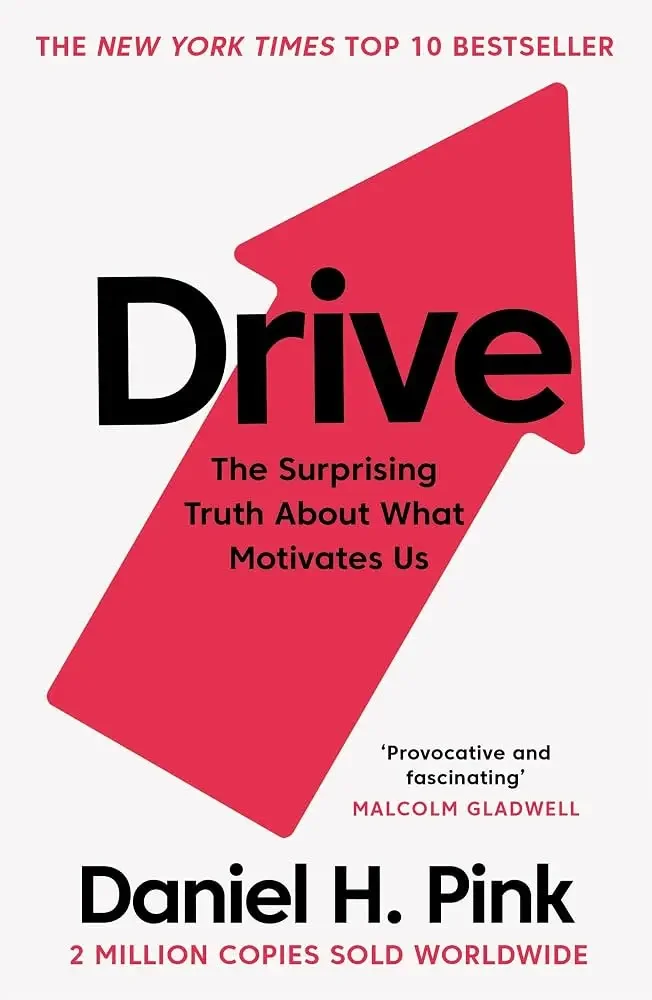
Pink challenges one of the most persistent assumptions in workplace psychology: that the right combination of rewards and punishments is what drives performance. Drawing on decades of behavioral science, he argues that beyond a baseline level of fair pay, external incentives actually undermine the kind of motivation that produces real engagement and creative work. His answer is three ingredients that reliably drive genuine motivation: autonomy, the desire to direct our own lives; mastery, the urge to get better at something that matters; and purpose, the sense that our work serves something larger than ourselves. A foundational read for anyone who needs an audience to act, not just comply.
Drive - Daniel H. Pink.
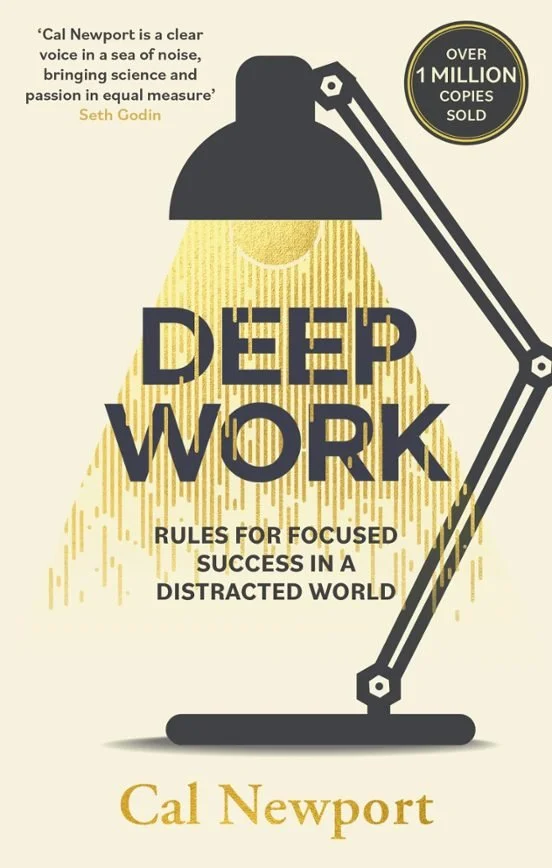
Newport spent years studying why focused, undistracted work has become both increasingly rare and increasingly valuable, even as most workplaces make it harder to achieve. His answer is a clear distinction between deep work — cognitively demanding, distraction-free effort that produces real value — and shallow work, the reactive, fragmented tasks that fill most people's days without moving anything forward. The book lays out concrete rules for protecting time and attention for deep work in an environment built to constantly interrupt it. A practical, well-argued case for anyone whose best work keeps getting crowded out by everything else.
Deep Work - Cal Newport.
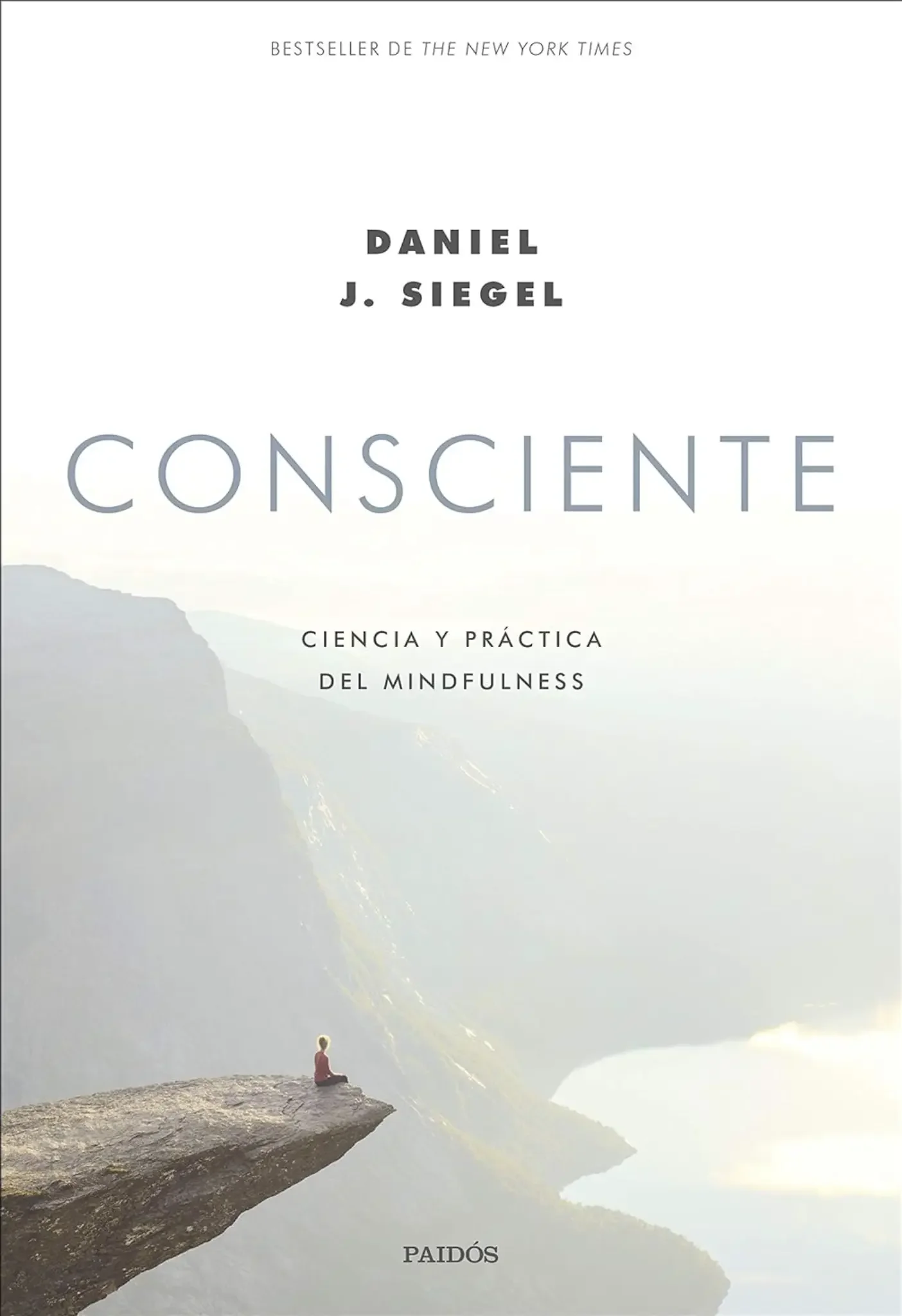
Of all Siegel's books, this is the one most directly centered on mindfulness as practice. Starting from neuroscience, it explains why sustained attention produces measurable changes in the brain and introduces his own practical tool — the Wheel of Awareness — for training attention, opening consciousness, and developing more deliberate intention. Unlike many books on mindfulness, it does not stop at technique: it explains the mechanism. A natural continuation for anyone who wants to go deeper into both the science and the practice after the course.
Aware: The Science and Practice of Mindfulness (Daniel Siegel).
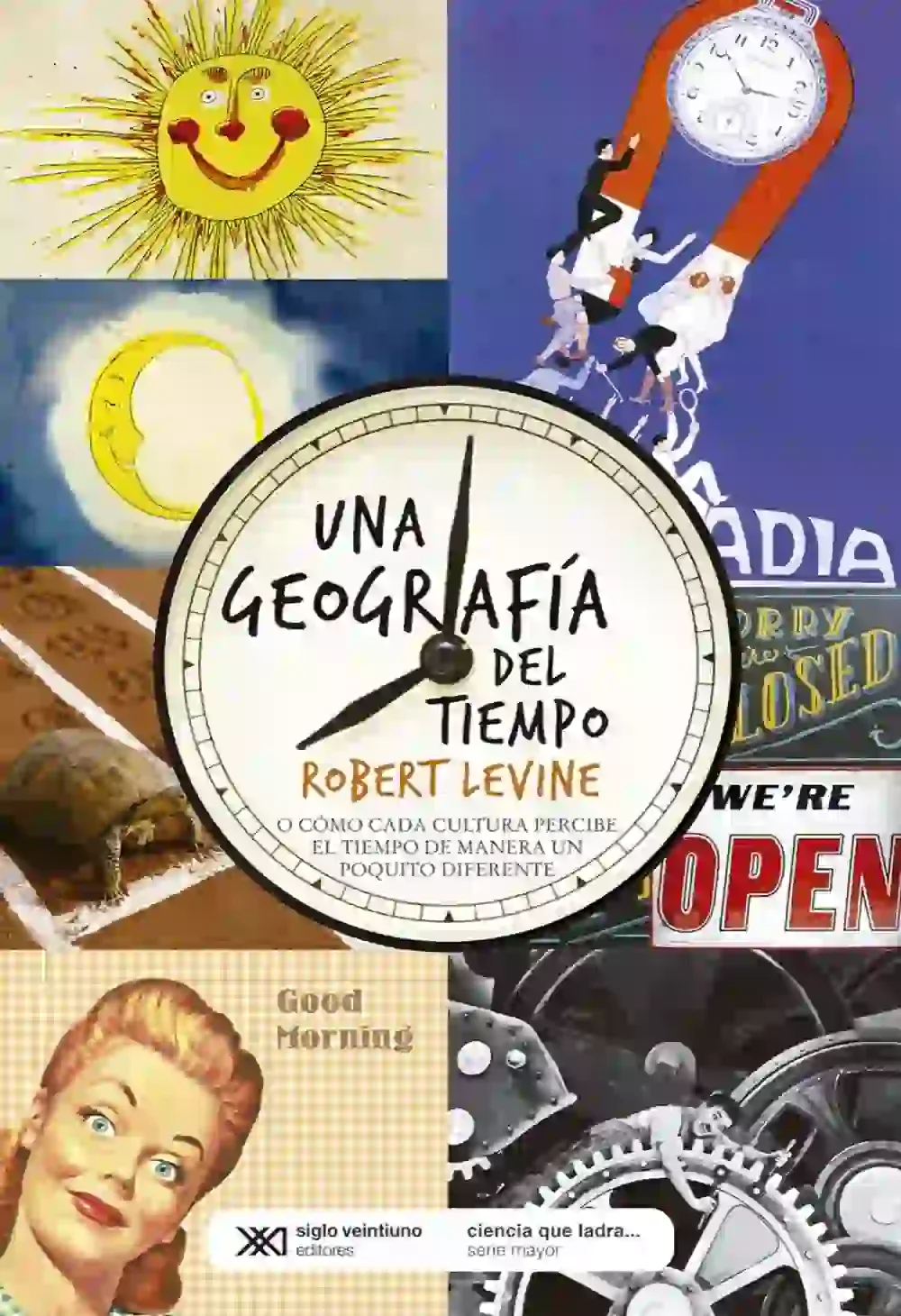
How fast does a city move? Levine, a social psychologist, went out and measured it — walking speed on downtown streets, the accuracy of public clocks, how long a postal clerk took to complete a simple transaction — across thirty-one countries. What he found is that pace of life varies enormously, and that cultures differ in something more basic: whether they run on clock time, where the schedule decides when things happen, or event time, where activities finish when they feel finished. Neither is the correct one. The book is a useful reminder that much of what feels like an absolute rule about time is a local convention, and it underpins this course's look at how much of our urgency is learned rather than given.
A Geography of Time - Robert Levine.
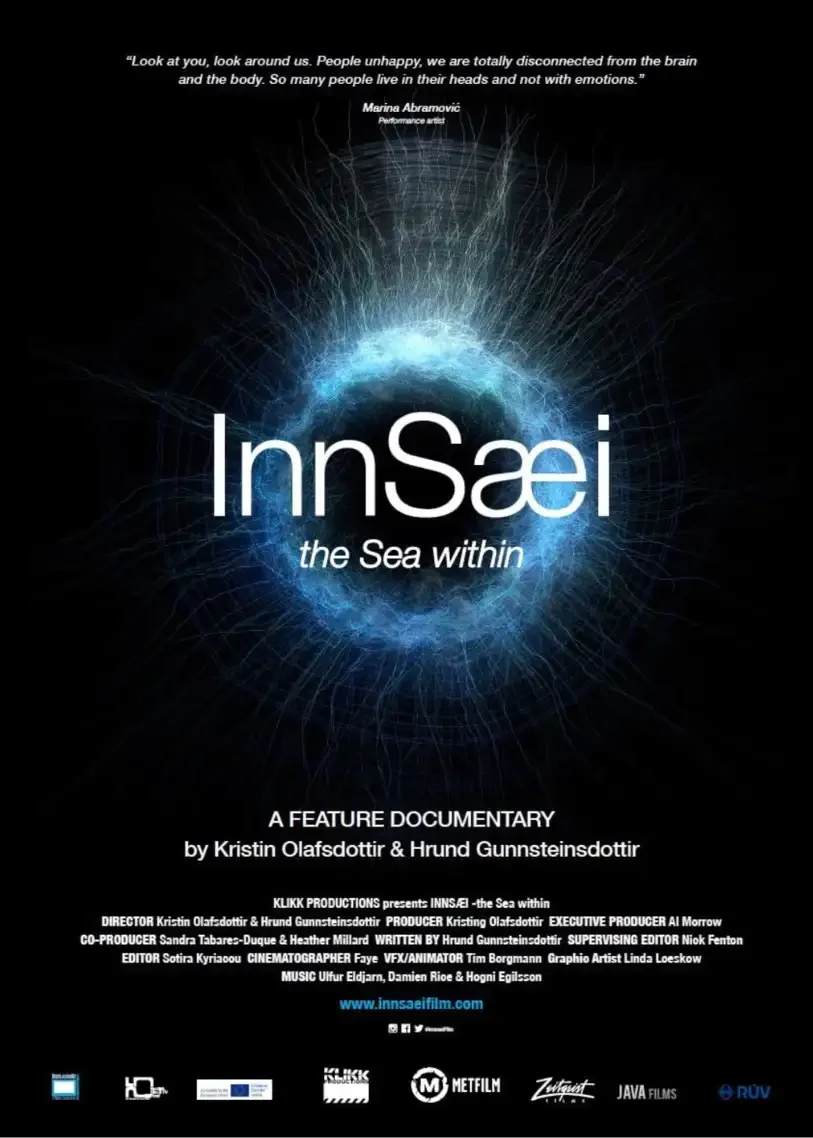

This documentary approaches intuition as a form of knowledge grounded in experience, perception, and the rapid integration of information. Through various interviews and examples, it explores how intuition shapes decision-making and how people interpret their surroundings. Its relevance here lies in understanding the relationship between conscious and intuitive thought, and how, under pressure or high demand, the balance between the two can shift.
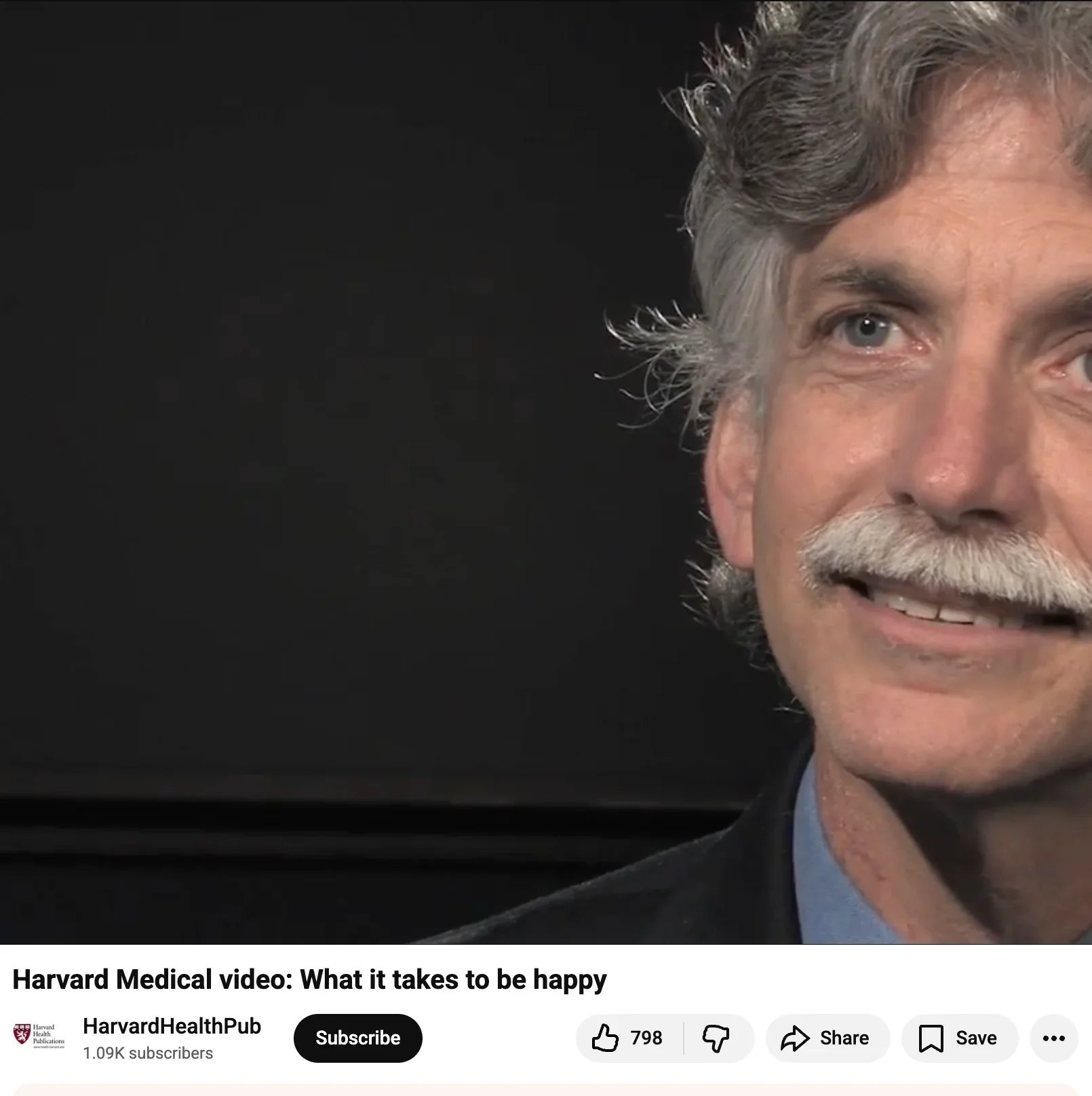
One of the most counterintuitive findings in behavioral science is that we are poor at predicting what will make us happy. The video covers the five evidence-based paths to sustained wellbeing identified by positive psychology — strengths, gratitude, savoring, flow, and meaning — and closes with mindfulness as the practice that makes all five more accessible. A useful complement to the course for anyone who wants to understand why presence is not just a meditation concept but a condition for a genuinely better life.